
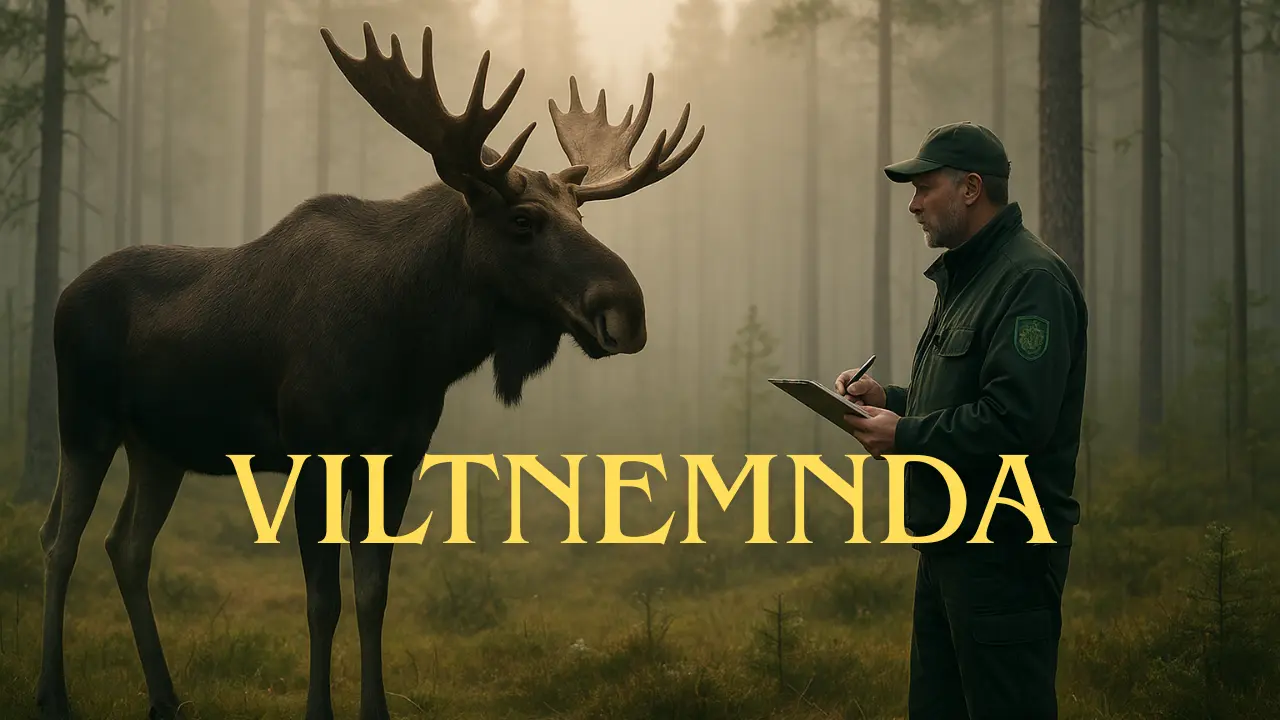
The term viltnemnda refers to a municipal wildlife committee in Norway. At its heart, viltnemnda acts as the local body tasked with managing wildlife issues—such as hunting, wildlife damage, and conservation—on behalf of the municipality. By understanding viltnemnda, we gain insight into how Norway balances ecological sustainability with community interests.
Background and Purpose of viltnemnda
The concept of viltnemnda emerged from Norway’s long-standing commitment to wildlife management and sustainable use of natural resources. The word breaks down into vilt (wildlife) and nemnda (committee), which hints at its function: a wildlife committee.
Why was viltnemnda introduced?
- To give local communities a voice in wildlife management, rather than relying purely on distant central control.
- To manage wild animal populations (e.g., moose, deer) in a way that supports ecological balance and reduces conflicts with humans (such as vehicle collisions or damage to property).
- To apply the principle of sustainable hunting, habitat protection, and link local landowners, hunters, and municipalities in decision-making.
Where does viltnemnda fit legally?
The committee operates under national laws such as the Viltloven (Wildlife Act) and the Naturmangfoldloven (Nature Diversity Act).
Key Roles and Responsibilities of viltnemnda
The tasks of viltnemnda are varied but all aim to ensure that wildlife management serves both nature and people. Some of the main functions include:
1. Setting hunting quotas and reviewing hunting applications
- viltnemnda evaluates applications from landowners or hunting associations and approves or denies them based on sustainability and local ecosystem status.
- Ensures that quotas for species like moose, red deer and roe deer are aligned with wildlife population data, habitat considerations and community input.
2. Monitoring and managing wildlife populations
- It tracks population trends, reproduction and mortality of key species. These data inform decisions about quotas and conservation measures.
- Coordinates with scientists, hunters, landowners, and municipalities to collect information and act accordingly.
3. Dealing with wildlife-human conflicts and damage
- When animals damage crops, forest property, or when large animals cause traffic accidents, viltnemnda steps in.
- It assesses damage claims, advises on mitigation (fences, warning signs) and may propose measures such as targeted culling or relocation.
4. Local community involvement and transparency
- The committee typically includes representatives of hunters, farmers/landowners, environmental concerns and municipal officials. This ensures diverse input.
- Public consultation, transparency of decisions and meeting records help build trust and sharing of responsibilities between wildlife management and citizens.
5. Encouraging sustainable use and conservation of habitats
- Beyond hunting and damage control, viltnemnda promotes habitat protection, ecosystem balance and responsible land use.
- It supports the principle that wildlife is a shared resource and future generations should benefit from healthy ecosystems.
Why viltnemnda Matters – Benefits and Relevance Today
Balanced wildlife management
By including local voices and data-driven decision making, viltnemnda helps avoid the extremes of over-hunting and over-population. When wildlife numbers are too high, they can cause damage to human infrastructure, forests or crop production. Conversely, under-managed hunting can lead to ecosystem degradation.
Enhanced public safety and reduced conflict
With viltnemnda addressing issues like road collisions with moose and deer, or wildlife damage to farms, communities are safer and better supported.
Community engagement and trust
Because viltnemnda’s decision-making involves local stakeholders (landowners, hunters, environmental reps), there is greater legitimacy and buy-in. This helps foster responsible behaviour rather than adversarial attitudes.
Adaptation to modern challenges
Today, viltnemnda also confronts new issues such as urban expansion into wildlife habitats, climate change affecting species migration and population dynamics, and the need for digital tools (tracking, monitoring).
International relevance
While it is a Norwegian institution, the concept of viltnemnda offers lessons globally: localized wildlife management, stakeholder involvement, and sustainable use aligned with conservation goals.
Practical Insights: Real-Life Use Cases & How viltnemnda Operates
Example 1: Wildlife-Vehicle collisions
In certain municipalities in Norway, viltnemnda has recorded growth in incidents where moose wander into urban or roadside areas. The committee responds by collaborating with traffic authorities, placing warning signs, and adjusting hunting quotas in adjacent forests.
Example 2: Damage to farmland or forestry
Farmers may experience repeated damage from deer eating crops or forest regenerations being destroyed by over-browsing. viltnemnda steps in to assess claims and deploy mitigation measures: e.g., fencing, altering hunting schedules, or reducing local populations in a controlled way.
Example 3: Community engagement and education
A local viltnemnda organises workshops for schools or adult groups to raise awareness of wildlife behaviour, safe practices for outdoor recreation, and how to cooperate with nature rather than conflict. This helps build a culture of coexistence.
How you as a resident or stakeholder can engage
- Reach out to your municipal office to learn about your local viltnemnda and its upcoming meetings.
- Report wildlife-related incidents (damage, collisions) to your committee.
- Participate in public consultations or provide feedback when hunting plans or quotas are set.
- Stay informed about local wildlife statistics and how viltnemnda uses data in its planning.
- Volunteer or collaborate with local nature groups, hunters or landowners to promote sustainable practices.
Challenges and Future Directions for viltnemnda
Although viltnemnda serves an important function, there are ongoing challenges:
- Climate change and shifting habitats: Species migrate, breeding patterns change, making data forecasting harder.
- Urban expansion and fragmentation: As human settlements expand, the habitats of wildlife shrink or become divided, increasing conflict.
- Balancing multiple interests: Hunters, conservationists, landowners and municipalities sometimes have conflicting priorities—managing this tension is a constant challenge.
- Technology and data demands: To remain effective, viltnemnda must harness GPS, digital monitoring and data analysis—this requires resources and skills.
- Public perception and engagement: Ensuring the public understands the decisions made and trusts the committee’s work is essential for continued legitimacy.
On the positive side, future directions include:
- Enhanced digital tools for monitoring wildlife and incidents.
- Greater community education and participation in wildlife decisions.
- More integrated habitat planning, combining wildlife, forestry, agriculture and urban development.
- Expanded research partnerships to keep viltnemnda’s decisions evidence-based and current.
Conclusion
In summary, the viltnemnda is a vital municipal wildlife committee in Norway that bridges the gap between national legislation, local stakeholders and the natural world. From setting hunting quotas and managing wildlife damage, to involving communities and adapting to emerging environmental challenges, viltnemnda plays a key role in ensuring that wildlife and humans can coexist sustainably.
By bringing together expertise, local experience and transparent decision-making, the committee builds trust, ensures ecological balance and supports community safety and wellbeing.
Key take-away: If you’re involved in hunting, land use, forestry, conservation or simply living near wildlife areas in Norway, understanding how your local viltnemnda works—and how you can engage with it—can make a real difference. The better informed you are, the more effectively you can contribute to a wildlife-friendly and community-safe environment.
Frequently Asked Questions (FAQs) About viltnemnda
What does viltnemnda mean in English?
The Norwegian term viltnemnda roughly translates to “the wildlife committee.” It refers to the local municipal body responsible for managing wildlife issues such as hunting quotas, wildlife damage, and conservation efforts within a specific area.
Who are the members of viltnemnda?
A typical viltnemnda includes representatives from local hunting associations, landowners, environmental or nature organizations, and municipal authorities. The goal is to have balanced input from different community groups so that wildlife decisions are fair and sustainable.
How can I contact my local viltnemnda?
You can contact your viltnemnda through your municipality’s environmental or wildlife management office. Many municipalities in Norway post committee contact details, meeting schedules, and reports on their official websites. Residents can also attend public consultations or submit feedback online.
What kinds of wildlife issues does viltnemnda handle?
Viltnemnda oversees a wide range of issues, including:
- Setting hunting quotas and seasons for moose, deer, and other species.
- Managing wildlife-related damage to crops or forests.
- Handling wildlife-vehicle collisions and safety measures.
- Promoting habitat conservation and public education about sustainable use.
Why is viltnemnda important for communities?
The viltnemnda plays a key role in balancing human needs and wildlife protection. It helps prevent conflicts, ensures sustainable hunting practices, and encourages community involvement. By doing so, it strengthens trust between citizens and nature management authorities while protecting Norway’s rich biodiversity.
