
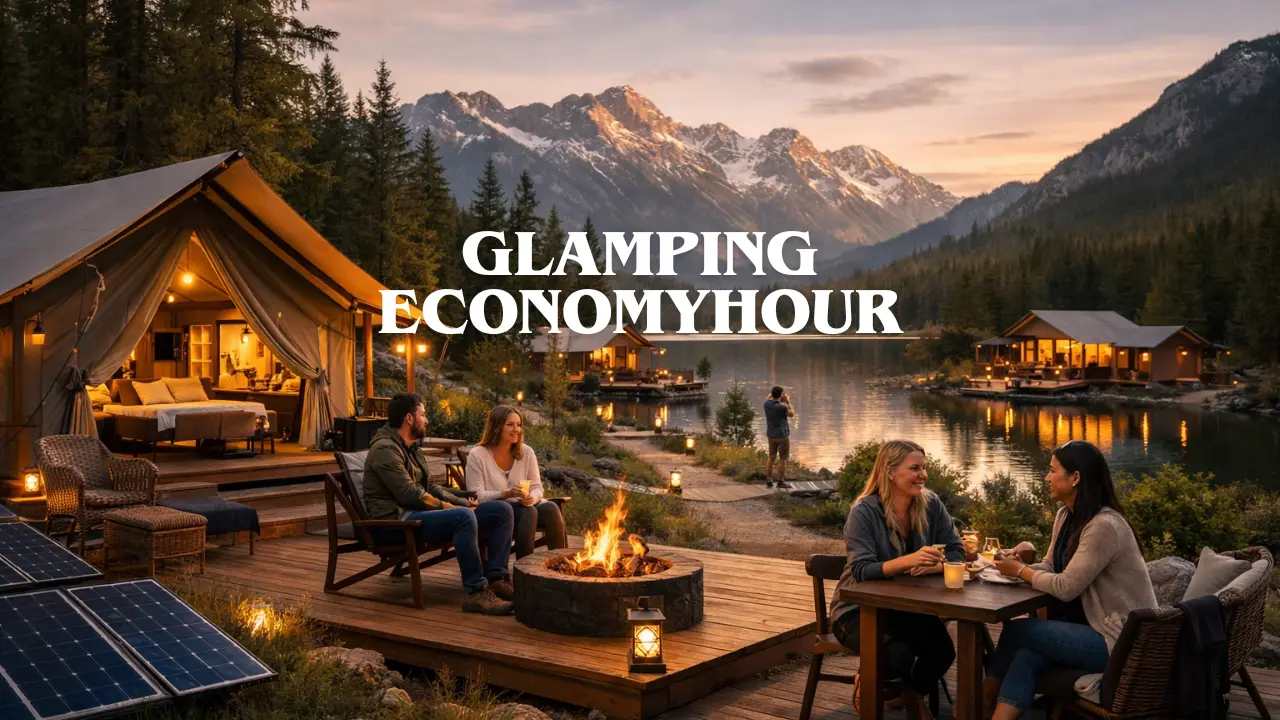
Travel habits are changing fast. People want nature, comfort, privacy, and meaningful experiences all at the same time. That shift has quietly created a powerful new market that blends tourism, sustainability, and lifestyle spending. The glamping economy is no longer a niche idea for luxury travelers; it has become a serious economic force shaping how destinations earn, how businesses invest, and how travelers choose where to go. This article breaks down the concept in clear, practical language so you can understand what’s really happening, why it matters, and where it is heading.
What Is the Glamping Economy?
The glamping economy refers to the financial ecosystem built around “glamorous camping,” where travelers enjoy nature without giving up comfort. Think luxury tents, eco-lodges, treehouses, and well-designed cabins that offer real beds, private bathrooms, heating, and curated experiences. Unlike traditional camping, this model attracts people who value convenience, safety, and aesthetics as much as outdoor adventure.
At an economic level, this concept goes beyond accommodation. It includes local employment, supply chains, land use, digital booking platforms, experience providers, and long-term tourism development. What makes the glamping economy especially interesting is that it combines hospitality with sustainability and lifestyle branding, creating value without the heavy infrastructure costs of large hotels.
Why the Glamping Economy Is Growing Globally
The global growth of the glamping economy is driven by clear shifts in consumer behavior. Travelers today are experience-focused. They want unique stays, Instagram-worthy locations, and a deeper connection with nature, but they don’t want discomfort. Post-pandemic travel trends accelerated this demand, as people began avoiding crowded hotels and favoring private, nature-based stays.
Another major driver is remote work. Digital nomads and flexible workers can now stay longer in scenic locations, making luxury camping a practical option rather than a short-term novelty. Governments and tourism boards are also supporting this growth because glamping projects often require less construction, preserve natural landscapes, and generate income in rural areas.
Benefits of the Glamping Economy for Travelers and Businesses
For travelers, the glamping economy delivers comfort, privacy, and authenticity in one package. Guests get hotel-level amenities while enjoying forests, deserts, mountains, or beaches. This balance appeals to families, couples, and older travelers who may avoid traditional camping altogether.
For businesses, the model offers strong returns with relatively controlled risk. Setup costs are often lower than full-scale resorts, while nightly rates remain premium. Seasonal flexibility, scalable designs, and strong online demand make glamping an attractive option for entrepreneurs. Importantly, the glamping economy also supports local artisans, food suppliers, guides, and service workers, spreading financial benefits across the community.
Economic Impact and Future Opportunities
From a broader perspective, the glamping economy contributes to tourism diversification. Regions that were previously overlooked due to limited infrastructure can now attract high-value visitors. This helps reduce pressure on over-touristed cities while creating new income streams in rural and natural areas.
Future opportunities include branded glamping chains, long-stay eco-retreats, wellness-focused camps, and partnerships with local governments. As sustainability becomes a key purchasing factor, businesses that align with environmental responsibility will gain a competitive edge within the glamping economy.
Challenges and Realistic Limitations
Despite its growth, this sector is not without challenges. Land regulations, environmental protection laws, and zoning rules can slow development. Weather dependency, seasonal demand, and maintenance costs also require careful planning. From an EEAT perspective, transparency matters guests expect honest marketing, safety standards, and consistent service quality.
There is also the risk of over-commercialization. If natural areas are exploited without balance, long-term sustainability can suffer. Successful operators understand that protecting the environment is not just ethical but economically smart.
Practical Insights and Guidance for Readers
If you are considering entering this market, research is essential. Start with location analysis, local regulations, and target audience behavior. Focus on experience design, not just accommodation. Travelers remember storytelling, service, and atmosphere more than luxury alone.
For travelers, the key is to look beyond photos. Check reviews, understand what is included, and choose operators who clearly invest in quality and sustainability. Informed choices help raise standards across the industry.
Future Trends and Outlook
Looking ahead, technology will play a bigger role. Smart cabins, contactless check-ins, and energy-efficient designs are becoming standard. Wellness tourism, slow travel, and nature-based mental health retreats are expected to fuel further demand. As these trends mature, the glamping economy will likely become a permanent pillar of modern tourism rather than a passing trend.
Conclusion: Key Takeaways
The glamping economy represents a smart evolution of travel, blending comfort, nature, and economic opportunity. It benefits travelers seeking meaningful experiences, businesses looking for flexible investments, and communities aiming for sustainable growth. With thoughtful planning, honest communication, and respect for the environment, this sector offers long-term value rather than short-term hype. Understanding its dynamics today puts you ahead whether you are traveling, investing, or simply exploring how tourism is changing.
Frequently Asked Questions
What does the term glamping economy mean?
The glamping economy refers to the business and financial system built around luxury camping experiences. It includes premium nature-based stays, local employment, tourism revenue, and sustainable travel models that combine comfort with outdoor living.
How is glamping different from traditional camping?
Traditional camping focuses on basic outdoor survival, while glamping offers hotel-like comfort in natural settings. Guests enjoy real beds, private bathrooms, electricity, and curated experiences without sacrificing their connection to nature.
Why is the glamping economy growing so fast?
Growth is driven by changing travel preferences, remote work culture, and demand for private, nature-focused stays. Travelers want unique experiences that feel safe, comfortable, and meaningful, which makes glamping highly attractive worldwide.
Is the glamping economy profitable for businesses?
Yes, when planned correctly. Glamping businesses often require lower infrastructure investment than traditional hotels while generating premium pricing. They also benefit from strong online demand and growing interest in sustainable tourism.
What is the future outlook of the glamping economy?
The future looks strong. Trends like eco-tourism, wellness travel, smart accommodations, and slow travel are expected to increase demand further. As sustainability and experience-driven travel grow, glamping is likely to become a long-term part of the global tourism industry.
