
Key Takeaways:
- Regular roof inspections can prevent costly repairs by identifying issues early.
- Maintaining your roof enhances energy efficiency, reducing utility expenses.
- Proactive inspections help avoid operational disruptions and protect assets.
- Consistent maintenance can extend your roof’s lifespan, delaying replacement costs.
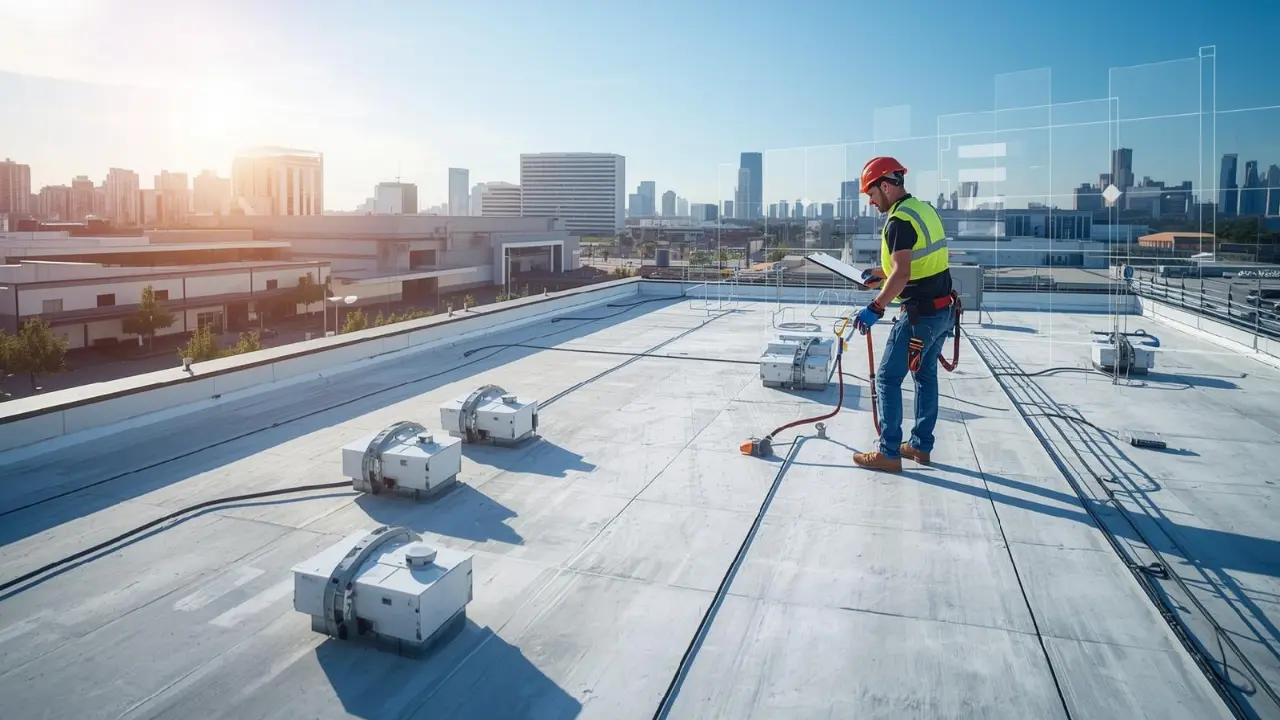
The roof is one of the most critical components of any commercial property, protecting not just the structure but also the assets and operations within. Failing to maintain a roof regularly can expose businesses to a range of risks, from costly repairs to operational losses. That’s why investing in routine inspections, such as a commercial roof inspection by Delta, is an innovative and proactive way for business owners to control costs and protect their bottom line.
Addressing roofing issues before they escalate can save businesses thousands in the long run. Inspections done on a set schedule can ensure small problems—like cracked membranes or minor leaks—are fixed early, helping companies avoid extensive, budget-busting repairs. Thorough inspections can also help maintain building value and reputation, while keeping employees and customers comfortable and safe.
Roofing defects that go unnoticed can result in unwelcome surprises—from energy loss to damage affecting costly equipment or critical inventory. Staying ahead of problems means fewer interruptions and a work environment that’s safe and efficient, all of which play a direct role in preserving company revenue and sustainability.
Often, businesses forget that roof warranties can be voided by neglect, making even a protected roof a significant financial liability if proper maintenance documentation is lacking. Therefore, adopting a consistent inspection routine is a cornerstone of responsible property management that pays for itself over time.
Early Detection of Issues
When businesses invest in regular roof inspections, minor problems are detected early, preventing them from becoming major headaches. Something as simple as a dislodged shingle or minor puncture can allow water to seep in, escalating to internal water damage or the need for large-scale repairs if not caught quickly. According to data from the National Roofing Contractors Association, timely intervention through professional inspections can reduce emergency repair and restoration costs by up to 30%. This early action streamlines maintenance spending and protects profit margins.
Enhancing Energy Efficiency
Properly maintained roofs are essential to energy conservation. Even small gaps, cracks, or degraded insulation can undercut the effectiveness of your HVAC systems, forcing them to work harder and raising your utility bills. Regular inspections highlight areas where insulation or flashing has been compromised, making it easier to address these issues. Studies by the U.S. Department of Energy underscore that making minor repairs to a building’s envelope can lead to significant reductions in overall energy waste, resulting in monthly savings that compound year after year.
Preventing Operational Disruptions
The consequences of an unexpected roof failure go beyond repair bills. Water intrusion during business hours may lead to temporary shutdowns, delays in fulfilling customer orders, and even safety hazards due to slips or mold. Routine commercial roof inspections identify vulnerabilities and emerging structural concerns, allowing facility managers to address them within a timeline that won’t disrupt critical business operations. With regular oversight, companies can avoid unplanned work stoppages and maintain a reliable space for both staff and customers.
Extending Roof Lifespan
Roof replacement is a considerable capital expenditure for any business, often costing tens or even hundreds of thousands of dollars. By enforcing a schedule of routine inspections and repairs, property owners can extend the functional life of their roofs by years. For practical guidance on maintaining your roof and spotting issues before they escalate, resources like This Old House provide actionable advice. Preventive care addresses the factors that lead to premature roof failure, including ponding water, UV degradation, and weathering. This strategy maximizes the investment made in the existing roof system and delays the need for a costly upgrade, freeing up capital for other critical expenditures.
Maintaining Warranty Coverage
Most manufacturers require documented, regular inspections and professional maintenance as part of their commercial roof warranty agreements. In simple terms, a warranty is a written assurance from a manufacturer or contractor that certain conditions will be met and specific defects or failures will be remedied within a defined period, as outlined by Investopedia. Failing to uphold these contractual obligations can result in the warranty being voided, leaving business owners to cover the full cost of extensive repairs themselves. Ensuring inspections are done by qualified professionals and keeping detailed maintenance records can be the deciding factor between a costly surprise and worry-free coverage.
Protecting Assets and Inventory
An undetected roof leak or structural problem can quickly put valuable business assets at risk. Office technology, manufacturing equipment, and stored inventory are all vulnerable to water damage, mold growth, and contamination resulting from roof breaches. Through regular inspections, issues are identified and resolved before they affect the contents of your facility, helping ensure the longevity of your investments and protecting your bottom line.
Reducing Liability and Insurance Premiums
Insurance companies often reward proactive building maintenance with lower premiums and fewer restrictions. By scheduling and documenting routine inspections, businesses present themselves as lower-risk clients, reducing the need for and likelihood of insurance claims. This, in turn, can yield long-term savings on insurance costs while also reducing liability for accidents, such as tenant or employee injuries related to leaks or falls, providing peace of mind for business owners and stakeholders alike.
Conclusion
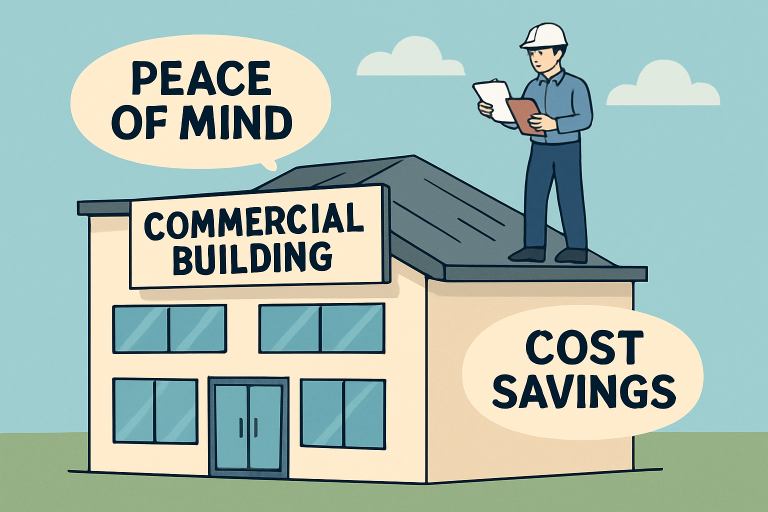
Making routine roof inspections a regular part of business operations is an investment that delivers significant returns. By catching minor issues early, improving building efficiency, preventing unplanned downtime, and protecting high-value assets, business owners gain financial stability and operational peace of mind. The savings generated from routine maintenance easily outweigh the costs—making it an essential business practice for protecting property and budgets alike.
