
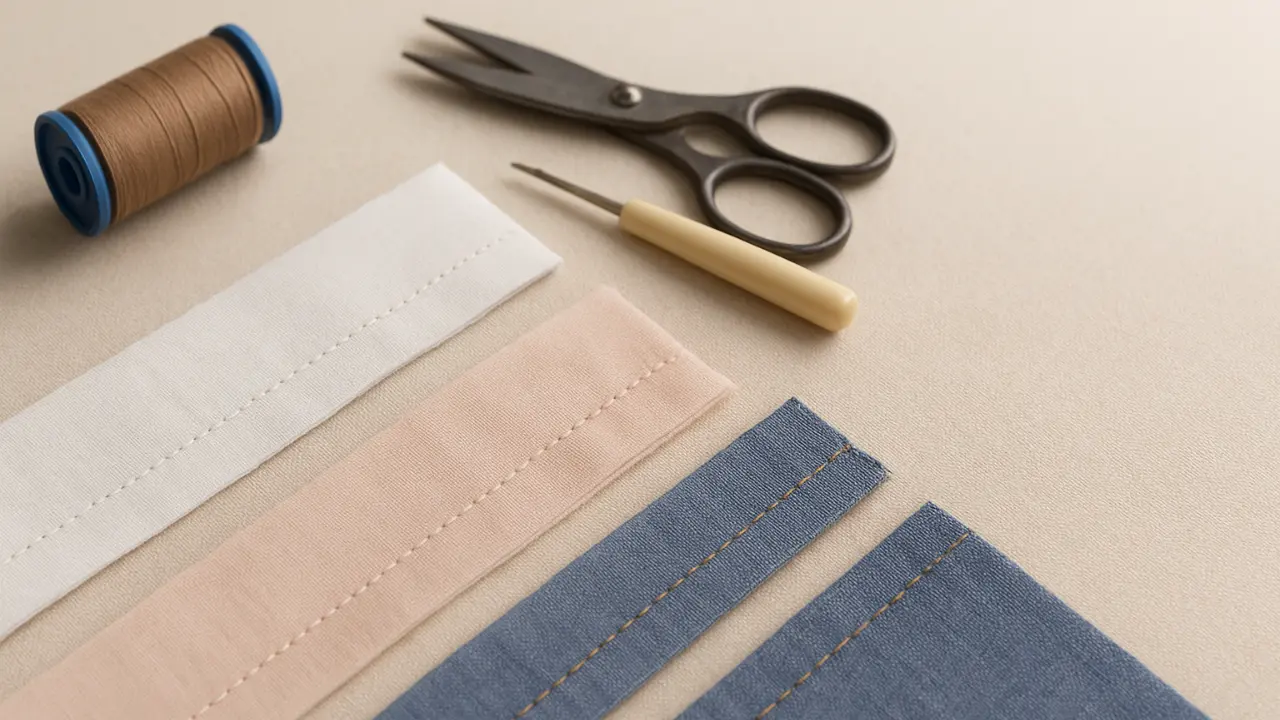
Sewing is both an art and a science — an art because it allows creativity, and a science because every stitch follows a technique. At the core of sewing lies one simple yet crucial concept: nahttypen, or types of seams. Whether you’re a complete beginner or an experienced dressmaker, understanding different seam types can transform your sewing projects from ordinary to professional quality.
In this guide, you’ll learn what nahttypen are, why they matter, and how to use the right seam for every fabric and garment type. We’ll cover the most popular types of seams, real-world examples, and expert tips that will make your sewing easier, cleaner, and more durable.
What Are Nahttypen?
The word nahttypen comes from the German language and literally means “types of seams.” A seam is the line where two or more pieces of fabric are joined together by stitches. While it might sound simple, seam selection can make or break your sewing project.
Each seam type serves a different purpose. Some are designed for strength and durability, while others are used for aesthetic appeal or to hide raw fabric edges. Knowing when to use each one is a key sewing skill that improves both the look and lifespan of your creations.
In short, understanding nahttypen helps you achieve cleaner finishes, stronger garments, and more professional results.
Why Seam Types Matter in Sewing
Every project — from a delicate silk blouse to a sturdy pair of jeans — requires different stitching methods. The wrong seam can cause puckering, stretching, or even tearing after a few washes.
The right seam, however, ensures:
- Neat finishing with no fraying edges.
- Structural strength that holds under stress.
- Comfortable wear, especially for clothing items.
- Visual appeal, especially in visible stitching areas.
For this reason, professional tailors and hobbyists alike study nahttypen as part of their core sewing techniques.
The Most Common Nahttypen (Types of Seams)
Let’s explore the most popular seam types you’ll use in your sewing journey — what they are, when to use them, and why they matter.
1. Plain Seam
The plain seam is the foundation of all types of seams. It’s the simplest and most commonly used seam in both home and industrial sewing.
How it’s made: Place two fabric pieces right sides together and stitch along the seam allowance. Press the seam open for a neat finish.
Best for: Lightweight to medium fabrics like cotton or linen.
Pros: Easy, fast, and versatile.
Cons: Raw edges need finishing to prevent fraying.
Pro Tip: Combine the plain seam with a zigzag stitch or serging for cleaner fabric seams that last longer.
2. French Seam
The French seam is ideal for delicate fabrics and projects that need a clean interior finish.
How it’s made: Sew the fabric wrong sides together with a narrow seam, trim, then fold right sides together and sew again to encase the raw edges.
Best for: Sheer or lightweight fabrics like chiffon, voile, and organza.
Pros: Beautiful inside finish, hides raw edges completely.
Cons: Takes more time and precision.
Expert Note: French seams are perfect for blouses, dresses, and baby clothes where inside neatness matters.
3. Flat-Felled Seam
One of the strongest nahttypen, the flat-felled seam is used in garments that need extra durability.
How it’s made: Fabric edges are folded and stitched twice, trapping raw edges inside.
Best for: Denim, workwear, and sportswear.
Pros: Very strong, resists fraying, looks clean on both sides.
Cons: Slightly bulky; not ideal for thick fabrics layered multiple times.
Example: Most jeans use this seam for both strength and decorative stitching.
4. Lapped Seam
The lapped seam overlaps two pieces of fabric and stitches them down. It’s often used in unlined garments or leatherwork.
Best for: Non-fraying fabrics like leather or felt.
Pros: Strong and decorative; adds a unique design element.
Cons: Not suitable for delicate materials.
Pro Tip: Use contrasting thread for a visible design effect.
5. Overlock (Serger) Seam
A staple of modern stitching methods, the overlock seam is created using an overlock or serger machine that trims, sews, and finishes edges simultaneously.
Best for: Knit and stretch fabrics.
Pros: Fast, professional finish, prevents unraveling.
Cons: Requires a serger machine.
Expert Tip: Perfect for T-shirts, leggings, and any fabric that needs flexible seams.
6. Bound Seam
The bound seam uses bias tape to encase raw edges. It’s both decorative and functional.
Best for: Unlined jackets, skirts, and home décor.
Pros: Polished look, no fraying edges.
Cons: Slightly time-consuming.
Real-World Use: High-end garments and tailored pieces often use this seam inside for a luxury finish.
7. Zigzag Seam
When you don’t have a serger, a zigzag seam is your go-to option for finishing raw edges.
Best for: Light to medium-weight fabrics.
Pros: Quick, easy, prevents fraying.
Cons: Not as strong as overlock seams.
Beginner Tip: Use a medium zigzag width for balance between strength and flexibility.
8. Double-Stitched Seam
A double-stitched seam involves two parallel lines of stitching for added strength.
Best for: Sportswear, upholstery, and high-stress areas.
Pros: Reinforced strength and durability.
Cons: Slightly stiff on lightweight fabrics.
When to Use Each Seam Type
| Seam Type | Best For | Strength | Appearance | Ideal Fabric Type |
|---|---|---|---|---|
| Plain Seam | Everyday garments | Moderate | Clean/simple | Light to medium |
| French Seam | Delicate fabrics | Moderate | Hidden/clean | Light fabrics |
| Flat-Felled Seam | Jeans, uniforms | Very strong | Decorative | Medium to heavy |
| Lapped Seam | Leather, design features | Strong | Visible edge | Non-fraying fabrics |
| Overlock Seam | Stretchy garments | Strong/flexible | Neat edge | Knit/stretch fabrics |
| Bound Seam | Jackets, unlined clothes | Moderate | Decorative | Any non-bulky fabric |
| Zigzag Seam | Beginners, general use | Basic | Simple finish | Light to medium |
| Double-Stitched Seam | Reinforcement areas | Very strong | Functional | Thick fabrics |
Step-by-Step Sewing Guide for Beginners
If you’re new to sewing, here’s a simple process to choose and sew the right nahttypen for your project:
- Identify your fabric type – Is it light, medium, or heavy? Stretchy or stiff?
- Decide the garment purpose – Fashion, utility, comfort, or decoration.
- Select the seam type that suits your needs (use the table above).
- Test on fabric scraps – Always test your chosen seam before sewing the actual piece.
- Use proper stitching methods – Maintain even stitch length and tension.
- Finish your seams neatly – Press seams flat and trim loose threads.
Remember, practice and patience are key. With time, you’ll recognize by touch which nahttypen fits best for each fabric.
Common Mistakes and How to Avoid Them
Even experienced sewers can make seam-related errors. Here are a few to watch out for:
- Skipping seam pressing: Always press after stitching — it shapes the garment and strengthens stitches.
- Using the wrong needle: Match your needle type and size to your fabric.
- Not finishing raw edges: Leads to fraying and weak seams.
- Poor seam allowance: Keep a consistent width (usually 1–1.5 cm).
- Ignoring grain direction: Always sew along the fabric grain to avoid puckering.
Quick Checklist: Picking the Right Seam
Light fabrics → French or Plain seam
Medium fabrics → Flat-felled or Zigzag seam
Heavy fabrics → Double-stitched or Lapped seam
Stretchy fabrics → Overlock seam
Decorative finish → Bound seam
Conclusion
Understanding nahttypen is one of the most valuable skills in sewing. By mastering different types of seams, you gain control over your project’s strength, appearance, and comfort. Each seam tells a story — of craftsmanship, patience, and precision.
Whether you’re hand-stitching a delicate scarf or using advanced sewing techniques for denim, the right seam choice can elevate your work from homemade to professional quality.
So, next time you pick up your needle or sewing machine, think about your nahttypen — and watch your fabric transform beautifully, one seam at a time.
FAQs about Nahttypen (Types of Seams)
What does the term “Nahttypen” mean in sewing?
“Nahttypen” is a German term that translates to “types of seams.” It refers to the different ways fabric pieces can be joined together using various stitching methods. Each seam type has a specific purpose — some are used for strength, others for decoration or to prevent fraying.
Which seam type is best for beginners?
For beginners, the plain seam is the easiest and most practical option. It’s simple to sew and works well for most fabric seams. As you gain experience, you can try more advanced nahttypen like the French seam or flat-felled seam.
How do I choose the right seam type for my project?
The choice depends on your fabric type, project purpose, and desired finish. For example, lightweight fabrics look best with French seams, while denim or heavy fabrics require flat-felled seams for extra durability. Use the seam type that balances both function and appearance.
What are the strongest types of seams?
The flat-felled seam and double-stitched seam are among the strongest nahttypen. They are often used in jeans, uniforms, and outdoor wear where seams need to handle stress and frequent washing.
How can I make my seams look more professional?
To achieve professional-looking nahttypen, always press seams after sewing, use the right needle and thread for your fabric, and finish raw edges properly (using overlock or zigzag stitches). Taking time for clean finishing makes a big difference in the final look and durability.
