
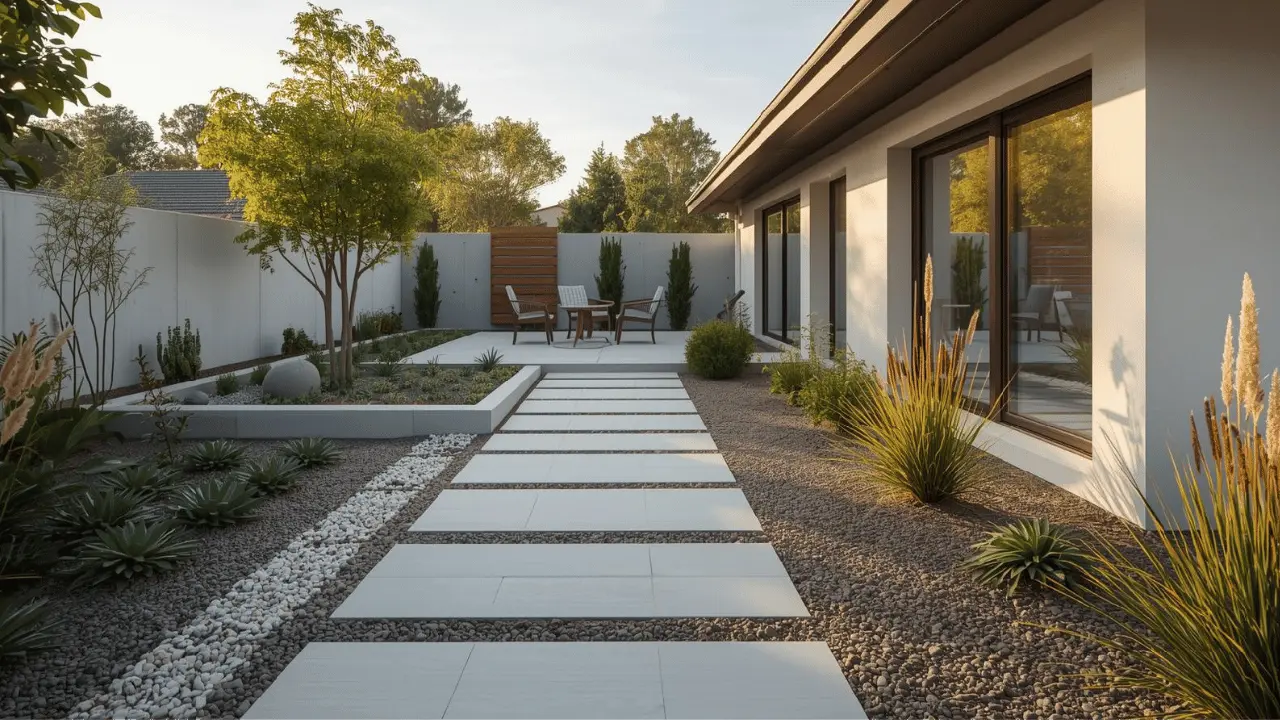
For homeowners with busy schedules, keeping up with yard work can feel daunting. Yet, creating a stunning, low-maintenance landscape is achievable with a few innovative strategies. Thoughtful plant selection, as proposed by an arbor Grapevine, along with clever design choices, can transform your outdoor space into an attractive, easy-to-care-for oasis. These elements not only add visual interest but also reduce daily upkeep. By planning practical landscaping now, you ensure long-term ease and enjoyment, allowing more time for relaxation while supporting the environment through lower water use, fewer chemicals, and reduced emissions from lawn equipment.
Incorporate Native Plants
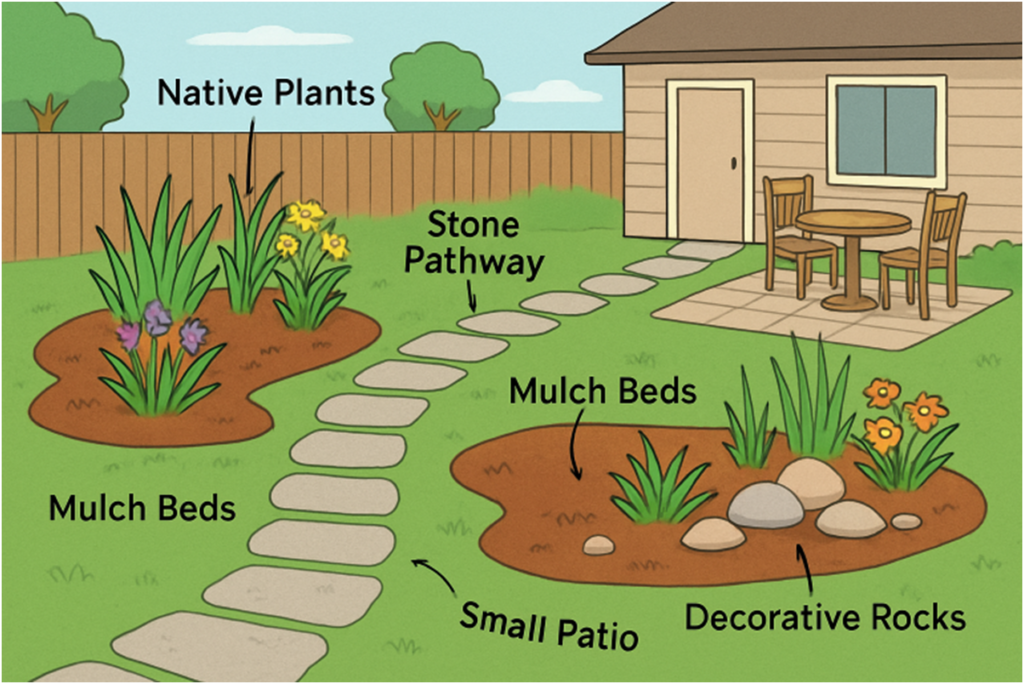
Native plants are adapted to thrive in your region’s specific climate, soil, and rainfall. As a result, they’re generally more resilient against pests, diseases, and local weather extremes—drastically reducing the need for watering, fertilizing, and pesticide use. For example, coral honeysuckle and coontie palms in Florida or purple coneflower and black-eyed Susan in the Midwest require less routine maintenance and still provide vibrant color and habitat for wildlife. Adding native species also supports pollinators and local ecosystems. For a broader perspective, the New York Times’ native plant guide can offer guidance tailored to your region.
Utilize Hardscaping Elements
Hardscaping refers to landscaping that uses non-plant materials such as stone, brick, gravel, or wood. Think pathways, patios, seating walls, or decorative boulders. By replacing lawn and garden beds with these durable features, you minimize areas that need watering, mowing, or weeding. Hardscaping not only makes your space more functional and visually interesting but also creates clean lines and organized spaces that are much easier to maintain compared to dense, plant-filled beds.
Opt for Ground Covers
If you’re looking to replace or reduce the size of your lawn, low-growing ground cover plants such as creeping thyme, sedum, mondo grass, or ajuga are excellent alternatives. Once established, these hardy plants form a dense mat, inhibiting weed growth and reducing the need for water. Grass alternatives are especially useful in shaded or sloped areas where traditional turfgrass struggles to thrive. Many attractive ground covers are drought-tolerant, help prevent erosion, and require no mowing.
Choose Perennials Over Annuals
Perennials return year after year, offering ongoing beauty and consolidated care. Unlike annual flowers, which must be replanted each season, perennials such as daylilies, lavender, hostas, and coreopsis keep your garden lively with minimal intervention. By investing in a diverse selection of perennials, you can create a garden that remains colorful from spring through fall without requiring annual replanting.
For more tips on planning perennial gardens that provide year-round interest, Better Homes & Gardens offers helpful advice and inspiration.
Consider Artificial Turf
Artificial turf offers a consistently lush, green appearance, eliminating the need for irrigation, fertilization, and mowing. Modern synthetic grass looks and feels impressively realistic, making it an excellent option for busy homeowners looking to avoid the most labor-intensive aspects of lawn care. Artificial turf is also beneficial for high-traffic areas, pet zones, and shaded yards where natural grass may struggle to grow. It can play a part in reducing water waste and minimizing your yard’s carbon footprint.
Implement Mulching Techniques
Applying mulch around trees, shrubs, and flower beds brings a wealth of low-maintenance benefits. Mulch conserves moisture, smothers weeds, and maintains stable soil temperatures, thereby reducing both water and labor needs. Organic mulches, such as bark or wood chips, gradually break down and enrich the soil. Refresh mulch as needed—usually once a year—for optimum results. For more on the practical benefits of mulching, the Gardenista guide to mulch is a comprehensive resource.
Install Efficient Irrigation Systems
Hand watering gardens can be labor-intensive and often leads to water waste through evaporation or runoff. In contrast, drip irrigation and soaker hose systems target water directly at plant roots, maximizing absorption and minimizing loss. Automated setups with timers provide consistent, deep watering schedules, even when homeowners are away, making them ideal for low-maintenance landscapes. These efficient irrigation methods not only conserve water but also promote healthier, more resilient plants by ensuring they receive the right amount of moisture. Investing in innovative watering solutions reduces effort, supports sustainability, and keeps yards thriving year-round.
Embrace Container Gardening
Container gardening is a highly flexible solution for low-maintenance landscaping. Planters can be placed on patios, steps, balconies, and virtually any space where traditional beds are impractical. Containers require less weeding, allow for greater control over soil and nutrients, and can be moved to follow the sun or shelter plants from adverse weather conditions. Choose drought-tolerant annuals and perennials, succulents, or even small shrubs for a striking impact with little ongoing care.
Adopting these low-maintenance landscaping ideas helps you strike the perfect balance between beauty and practicality in your outdoor living spaces. With a bit of upfront planning, even the busiest homeowner can craft a vibrant, welcoming yard that’s easy to maintain and tailored to your lifestyle for years to come.
Also Read: Suçculent: A Complete Beginner’s Guide to These Beautiful, Low-Maintenance Plants
