
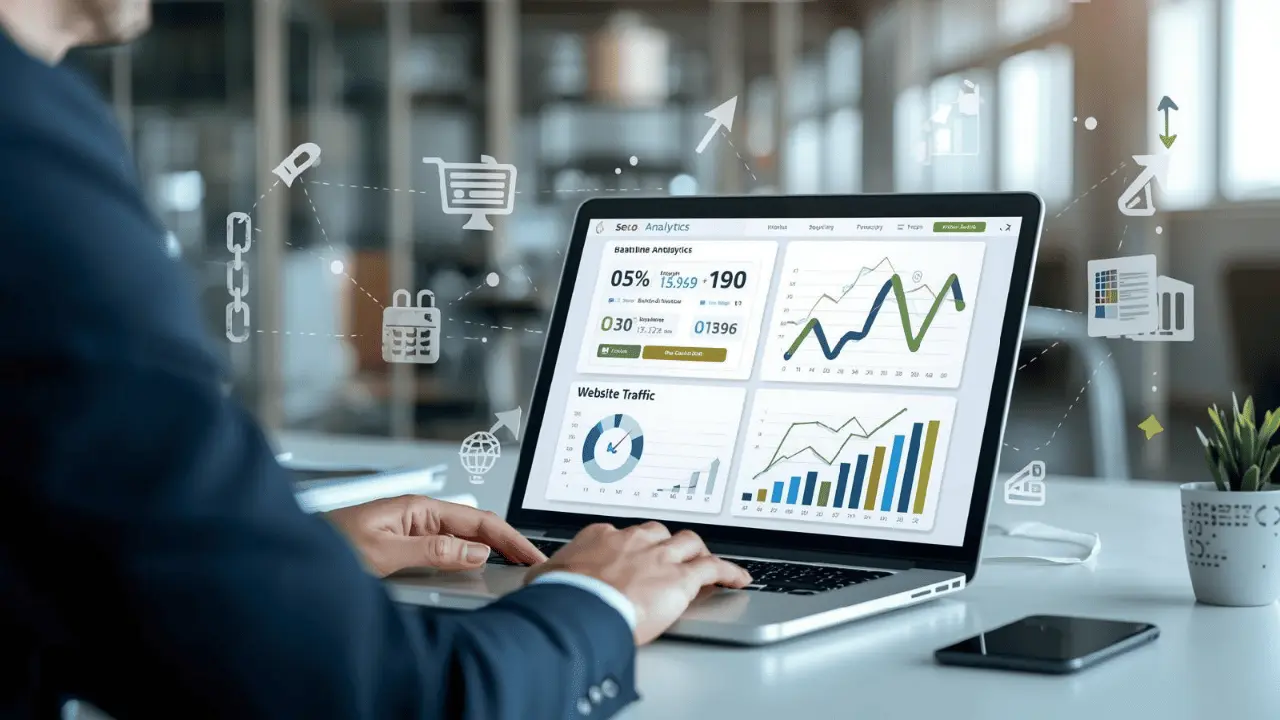
In today’s bustling ecommerce landscape, standing out requires more than just exceptional products—it demands credibility and a strong digital presence. One of the most effective ways to achieve this is through intelligent link-building techniques. By securing authoritative backlinks, companies not only improve their search engine rankings but also establish greater consumer trust. To succeed with ecommerce link building, brands must combine strategic outreach with genuine value.
Modern consumers tend to gravitate toward online stores that appear reliable and widely endorsed. This is why links from reputable sites act as independent votes of confidence, making your business more trustworthy in the eyes of both shoppers and search engines. Backlinks signal industry recognition, making it easier for new shoppers to take a chance on your brand and for Google to reward you with better rankings.
Link building touches nearly every part of a successful ecommerce strategy, but it’s important to prioritize quality over quantity. High-authority links from relevant sites can deliver dramatic improvements in both referral traffic and organic visibility. By adopting advanced link-building strategies, businesses can secure long-term growth and remain competitive even in saturated markets.
It’s also crucial to understand that link building is not a quick fix; it’s a process that requires patience and continuous effort. Over time, these efforts will cultivate a robust backlink profile that shields your site from algorithm updates and maintains a steady growth in your sales pipeline. For readers seeking a practical introduction to the topic, resources like Search Engine Journal’s guide to link building can be a great starting point.
Understanding Link Building
At its core, link building is about acquiring hyperlinks from other websites that point back to your own. These backlinks function much like digital recommendations: the more reputable websites link to your store, the more trustworthy you appear to both users and search engines. For ecommerce brands, consistently building relevant and high-quality links is a proven way to increase keyword rankings, boost organic traffic, and outpace competitors.
Not all links are created equal. Focus on links from industry-relevant sources and avoid spammy practices that could result in penalties. A diverse backlink profile, featuring editorial placements, resource links, and mentions in trusted publications, is key to maximizing ranking signals while maintaining long-term SEO health.
Creating High-Quality Content
Compelling content is the cornerstone of a successful link-building campaign. Valuable articles, insightful guides, and practical resources act as magnets for natural backlinks. Ecommerce brands that build robust content libraries—including product guides, FAQs, and original research—empower other sites to cite them as authoritative sources, increasing organic link acquisition.
For example, publishing in-depth buying guides or research insights about trends in your niche can position your store as an industry leader. Data-driven content, such as consumer survey results, not only appeals to journalists but also provides material for influencers and bloggers to reference in their own coverage. According to Moz’s link-building fundamentals, this approach significantly increases your visibility and outreach success rates.
Leveraging Influencer Partnerships
Influencer marketing and link building go hand in hand for forward-thinking ecommerce sites. When reputable bloggers or social media personalities review your products or mention your services, their audiences naturally become aware of your brand. These mentions, particularly when accompanied by contextual backlinks, improve both brand reach and your SEO efforts.
To extract maximum value, focus on collaborations with influencers whose audience demographics closely align with your target customer profile. Sponsored posts, product reviews, joint campaigns, and unboxing videos can all generate valuable backlinks and add a layer of social proof that drives higher conversions.
Utilizing Digital PR
Digital PR is about earning coverage on top-tier news sites and reputable blogs through data-driven stories or newsworthy announcements. By sharing proprietary data, market studies, or compelling trends related to your niche, you can capture the media’s attention.
Well-crafted press releases and unique data releases can make your company a go-to source for journalists seeking insights into your industry. For example, launching a yearly ecommerce industry survey or announcing a major sustainability initiative are ways brands can earn organic links and coverage from authoritative sources.
Engaging in Guest Blogging
Guest blogging enables you to showcase your expertise and tap into new communities, all while earning valuable backlinks. Contributing high-quality, original articles to reputable industry blogs introduces your brand to new audiences and reinforces your authority in the field.
The key to effective guest blogging is to help the host website’s readers genuinely. Focus on practical advice, actionable steps, or unique industry insights. Take the time to tailor your approach for each publication and pitch ideas that are both relevant and timely.
Implementing Internal Linking Strategies
Internal linking strengthens your site architecture by connecting related pages within your domain. This guides users to relevant content, prolongs site engagement, and distributes link equity across your site—making it easier for search engines to crawl and index your key pages.
Strategically linking between product pages, educational articles, and category resources can boost the visibility of high-priority URLs. It also improves user experience by making it easier for visitors to find the information and solutions they need.
Monitoring and Analyzing Backlinks
Ongoing evaluation is essential for maintaining a healthy backlink profile. Use SEO tools to monitor for toxic or spammy backlinks that could harm your rankings and identify new opportunities for high-quality links.
Regular backlink audits also help you gauge the success of your link-building campaigns and adjust your strategies to keep pace with evolving search algorithms. By pruning low-value links and doubling down on tactics that earn the best results, you ensure that your SEO investments drive sustainable growth.
Conclusion
Link building remains one of the most potent strategies for establishing trust and authority in the ecommerce sector. By strategically producing top-tier content, fostering influencer relationships, utilizing digital PR, contributing to industry blogs, implementing internal links, and rigorously monitoring your backlink profile, you elevate your brand’s reputation and search visibility. These sustainable practices lay the groundwork for lasting customer loyalty and consistent sales growth in an ever-evolving ecommerce market.
Also Read: Insureness A Complete Guide to Understanding, Benefits, and Practical Tips
