
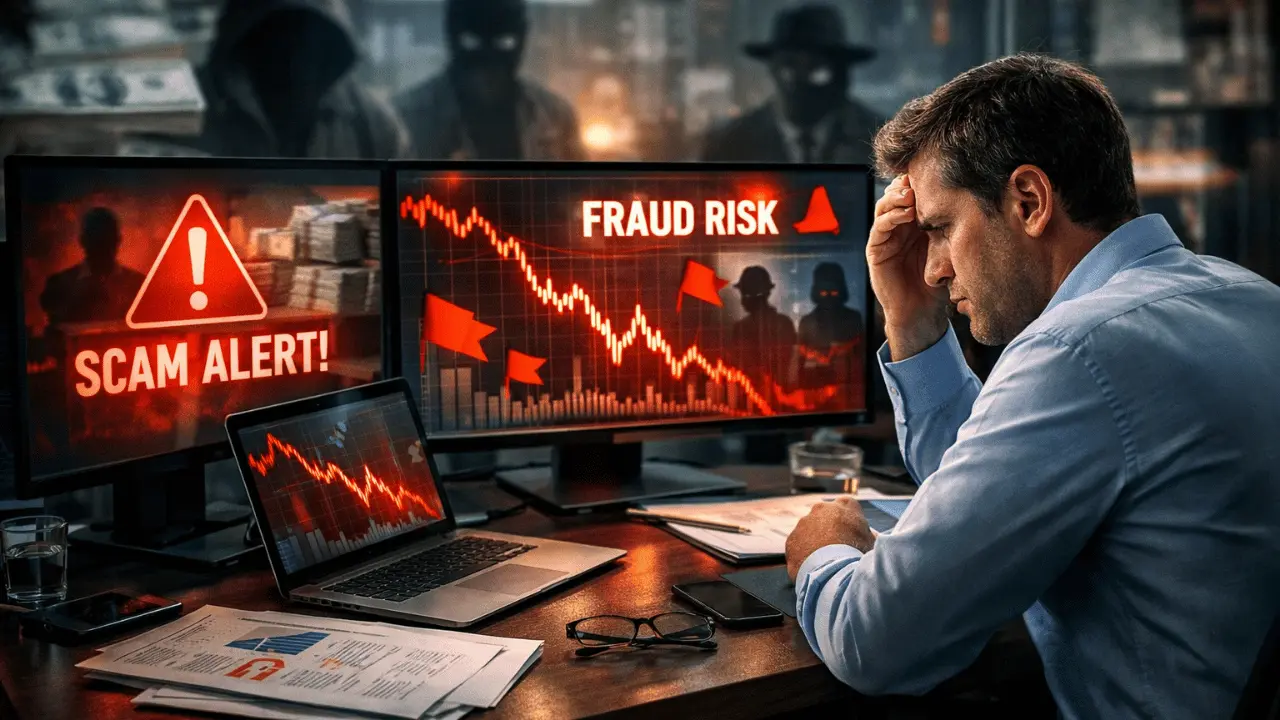
Investing your hard-earned money can offer great rewards and pave the way for your financial future, but it also exposes you to risks beyond market fluctuations. One of the most significant threats facing investors today is securities fraud. Recognizing the signs early is vital for protecting your assets and ensuring you work only with legitimate investment opportunities. Whether you’re a seasoned investor or just getting started, understanding what to look out for makes all the difference. For those in Minnesota needing immediate support or guidance, connecting with an attorney for securities fraud MN can be a critical step if you suspect fraudulent behavior.
Fraudsters are constantly finding new ways to exploit trust and manipulate investors. With hundreds of millions lost each year to scams, it’s essential to stay vigilant, ask the right questions, and be cautious about where you place your trust. Simple awareness of common red flags can dramatically reduce your risk and empower you to make informed decisions that safeguard your financial health.
Staying proactive means educating yourself not only about the investments themselves but also about who is offering them and how they’re presented. Scams can target anyone, regardless of investment experience or net worth, and may even appear through familiar faces or credible-appearing companies. This risk underscores the importance of doing your own due diligence at every step.
In addition to personal awareness and prevention strategies, organizations like the SEC provide resources and updates to help investors protect themselves. Consult broadly, especially before making large financial moves, and remember that credible, helpful information is widely available from major publications to support your research.
Promises That Sound Too Good to Be True
One of the most recognizable warning signs of securities fraud is the promise of unusually high or fast returns with little or no risk. Fraudulent investment opportunities often prey on the desire for quick wealth, making lofty promises that legitimate investments cannot match. If someone is advertising an investment as a sure thing or far better than anything else on the market, proceed with caution. Typical scams, including Ponzi and pyramid schemes, rely on attracting investors by dangling outsized rewards with minimal risk, but the reality is that these schemes are almost always unsustainable and illegal.
Guaranteed Returns with No Risk
In the world of investments, risk is ever-present. No investment, not even government bonds or blue-chip stocks, is entirely risk-free. Anyone guaranteeing specific returns, especially without any risk, should be approached skeptically. Guaranteeing returns is a classic ploy used by fraudsters to lure investors and create a false sense of security. Phrases such as “guaranteed return” or “no risk” should trigger immediate suspicion and warrant further scrutiny.
High-Pressure Sales Tactics
Fraudulent schemes often thrive on rushed decisions. Scammers may use aggressive tactics, insisting that you must “act now” before the opportunity disappears. They want to limit the time you have to think things over or conduct independent research, knowing that careful examination could expose their scam. Reputable investment professionals provide clients with sufficient time and resources to evaluate opportunities thoroughly and are never afraid of client skepticism or the consultation of outside experts.
Unregistered Investment Products
Securities laws are in place to protect investors by requiring investments and those selling them to be registered with the proper authorities. However, many fraud schemes operate by promoting unregistered products such as “prime bank investments,” unregulated hedge funds, or obscure notes and bonds. These products are not subject to regulatory oversight and often lack the transparency afforded by legally registered securities. Investors should always check with relevant regulatory bodies to confirm the legitimacy of any investment product before committing funds.
Unlicensed or Unregistered Sellers
It’s vital to verify who you’re dealing with before investing. Unlicensed or unregistered sellers might have a history of misconduct or operate entirely outside legal boundaries, putting your investments at grave risk. It’s not uncommon for fraudsters to present themselves using stolen identities or fake credentials. Checking licenses and registration status through governmental or regulatory databases can reveal red flags and help you avoid working with unscrupulous individuals.
Overly Consistent Returns
Legitimate investments experience ups and downs, reflecting the natural volatility of the marketplace. If an investment opportunity boasts consistently positive returns with little to no fluctuation, particularly during volatile periods, this likely signals fraudulent activity or manipulation. Anomalies like these were present in some of the most notorious financial scandals in history. Varied returns are a natural sign of reality in investing, while ongoing gains without explanation challenge credibility and should be investigated.
Complex or Secretive Strategies
Complexity itself does not equate to fraud, but a lack of transparency is a red flag. Fraudsters often hide behind jargon, convoluted explanations, or supposedly “proprietary” or secretive strategies to prevent investors from understanding what is truly happening to their money. Never invest in something you do not fully understand. Trustworthy professionals will welcome your questions and can explain strategies in clear, understandable terms.
How to Protect Yourself
Ask Questions
Do not shy away from asking for detailed explanations about both the investment and the background of the individual or institution offering it. A legitimate investment professional will be transparent and cooperative in answering all inquiries.
Conduct Independent Research
Verify the legitimacy of both the investment and the individual promoting it by consulting reputable sources, such as government agencies and accredited news outlets. Relying solely on the seller’s information increases your risk.
Consult Professionals
Before making any decisions, consult a licensed financial advisor or a qualified attorney specializing in investment and securities law. Their guidance can provide invaluable protection and perspective, especially when something seems questionable or new.
By familiarizing yourself with the most common red flags of securities fraud, conducting due diligence, and seeking trusted professional advice, you can protect your financial future from unnecessary risks and dodgy schemes. Fraudsters will always try to adapt, but well-informed, vigilant investors are their greatest obstacle.
Also Read: What Makes ellendewittrealestate.com a Trusted Guide for Buyers, Sellers, and Investors?
