
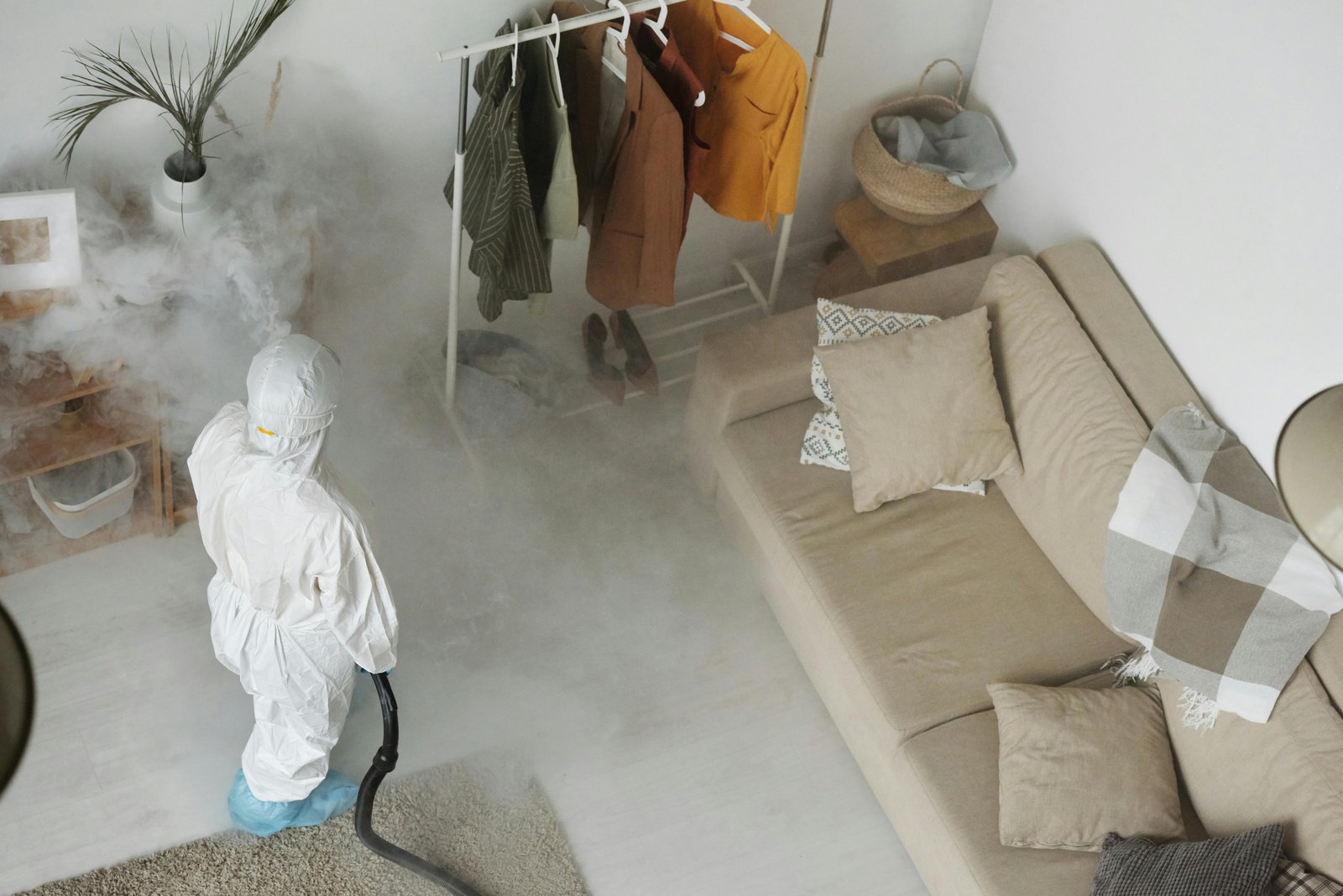
Most pest problems do not begin with an obvious warning. They start quietly, behind drywall, beneath insulation, or inside crawl spaces you rarely enter. By the time you see visible damage, the infestation may already be well established. That delay can affect more than comfort. It can compromise wiring, weaken wood framing, and reduce indoor air quality.
In Oregon City, damp winters and mild temperatures create favorable conditions for rodents, ants, and termites year-round. Moisture around foundations and rooflines increases vulnerability, especially in older homes. That is why early detection should be part of routine home maintenance. Recognizing subtle warning signs lets you step in before small issues turn into costly structural repairs.
Why Early Detection Is More Complicated Than It Seems
Pests are highly adaptive and prefer to stay hidden. Many are nocturnal, and others build colonies inside wall cavities, attics, or beneath flooring. You may share your home with an active infestation and only notice indirect clues. These signs are easy to dismiss if you are not actively looking for them.
Routine DIY inspections are a smart first step. If you are looking for a company that offers pest control, Oregon City has plenty to choose from. They use targeted inspection techniques and specialized tools to identify hidden moisture pockets, nesting areas, and structural vulnerabilities that homeowners might overlook.
Subtle Sounds Behind the Walls
Sound often provides the earliest alert. Scratching, scurrying, or faint thumping inside walls or ceilings at night frequently indicates rodents moving through insulation or framing. These noises may be inconsistent at first, which makes them easy to ignore.
Clicking or light tapping can suggest that insects, such as termites or carpenter ants, are chewing through wood. Pay attention to repeated activity in the same area. Normal house settling happens occasionally, but persistent movement sounds deserve closer inspection.
Visual Clues: Droppings and Stains
You may notice physical evidence before spotting the pest itself. Small, dark droppings along baseboards, under sinks, or inside cabinets often point to rodent activity. Their location helps you trace common travel paths.
Grease marks and light staining can also appear where pests move repeatedly. Rodents leave smudges along walls, while urine may cause faint discoloration. If new droppings continue to appear after cleaning, you are likely dealing with ongoing activity rather than a single intrusion.
Physical Damage to Wood, Wiring, and Fabric
Rodents chew constantly, which makes electrical wiring a common target. Damaged wires increase the risk of short circuits and fire hazards. Even minor chew marks warrant attention because they indicate active movement inside walls or attics.
Wood damage also raises concern. Hollow-sounding beams, bubbling paint, or weakened trim can signal termite or carpenter ant activity. In storage areas, shredded insulation or torn fabric often confirms nesting behavior that needs immediate follow-up.
Nesting Materials in Hidden Areas
Pests collect materials to build secure nesting sites in undisturbed locations. Shredded paper, fabric fibers, dried plant matter, and insulation commonly accumulate in attics, crawl spaces, and behind storage boxes.
Take time to inspect low-traffic areas with a flashlight. Concentrated piles of debris that were not previously present often signal early colony development. Removing nests quickly helps prevent population growth and limits contamination.
Recognizing Unusual Odors
Your sense of smell can reveal problems before visible damage appears. A sharp ammonia-like odor often indicates rodent urine buildup in enclosed spaces. The scent typically grows stronger as activity increases.
Certain insects, including cockroaches, produce musty or oily smells when colonies expand. If unpleasant odors persist despite cleaning, investigate hidden spaces such as wall voids or under cabinets. Lingering smells usually signal more than surface-level issues.
Seasonal Pest Patterns and Prevention Steps
Seasonal changes influence pest behavior. A single insect near a window during a temperature shift may not signal a serious issue. However, repeated sightings in the same area often indicate indoor nesting rather than temporary sheltering.
Stay proactive by sealing cracks around doors, windows, and utility entry points. Keep gutters clear and ensure proper drainage away from the foundation. Regular attic and crawl space inspections, combined with clutter control and secure food storage, significantly reduce the likelihood of a full infestation.
Outdoor Warning Signs Around the Exterior
Exterior conditions often predict interior risk. Check rooflines, eaves, and siding for gaps or chew marks that could serve as entry points. Small structural openings provide easy access to attics and wall cavities.
Inspect your yard as well. Burrow holes near foundations, disturbed mulch beds, or damaged garden plants may indicate nearby nesting. Addressing exterior vulnerabilities early strengthens your overall pest defense strategy.
Protecting Your Home from the Inside Out
Early pest detection depends on paying attention to sounds, sights, smells, and structural changes. Scratching noises, droppings, damaged materials, nesting debris, and repeated sightings all deserve prompt investigation. Exterior maintenance plays an equally important role in prevention.
A pest-free home supports structural integrity, indoor air quality, and long-term property value. When you treat pest monitoring as a regular part of home maintenance, you create a safer and more comfortable living environment for years to come.
