
Key Takeaways:
- Choosing the right business structure is crucial for scalability and sustainability.
- Different structures offer varying benefits in terms of liability, taxation, and operational flexibility.
- Aligning business structure with long-term goals enhances growth potential.
Understanding Business Structures
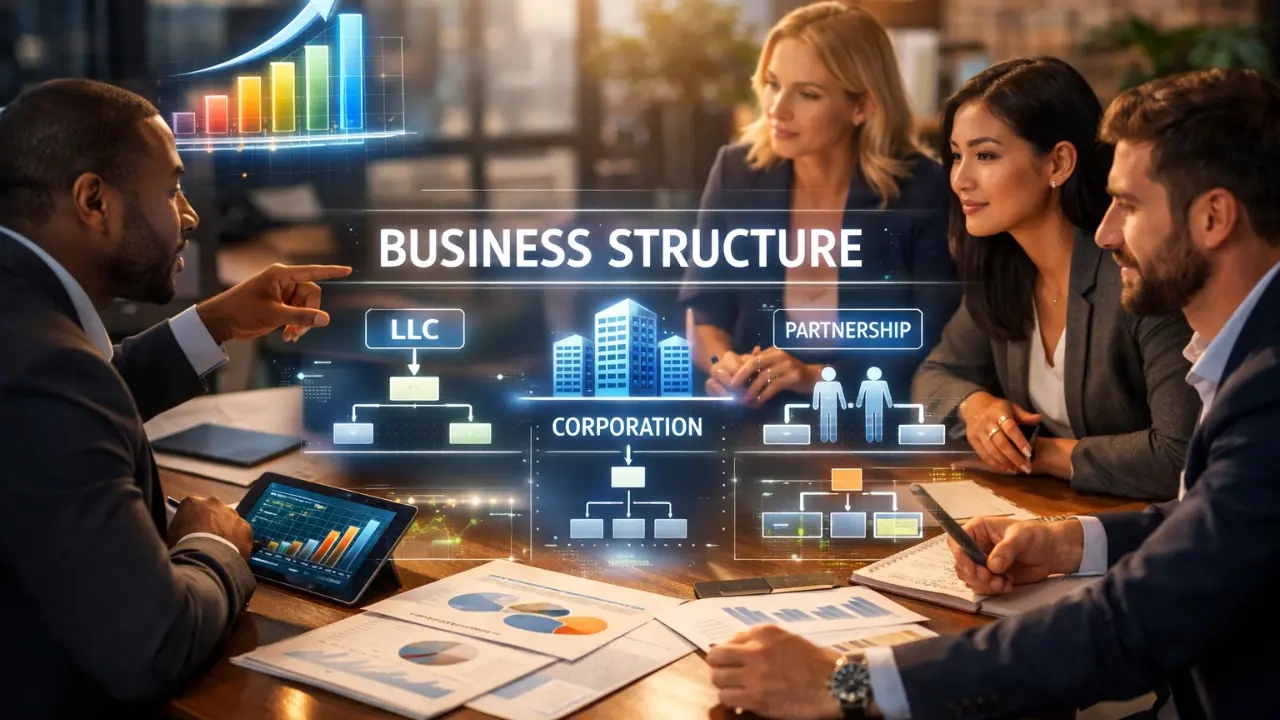
When starting a business, few decisions carry as much weight as selecting the appropriate legal structure. Not only does the structure impact day-to-day operations, but it can also have profound implications for liability protection and tax obligations. Common structures include sole proprietorships, partnerships, limited liability companies (LLCs), and corporations, each with its unique characteristics. Consulting with a business lawyer can clarify which structure best aligns with your specific goals and operational needs.
Business structure forms the backbone of future growth, shaping how a company raises capital, scales, and navigates regulatory environments. Entrepreneurs must weigh their ambitions and risk tolerance against the legal and tax requirements of each structure to ensure a strong foundation from the outset.
Sole proprietorships and general partnerships offer simplicity and straightforward control but expose owners to greater personal risk. On the other hand, corporations and LLCs, although often more administratively demanding, provide a greater separation between personal and business assets, which often encourages investor confidence and supports sustainable expansion.
The merits and drawbacks of each option become even more relevant as a business matures and anticipates challenges such as investor relations, rapid growth, and market entry strategy. The initial decision made about the structure can significantly accelerate or hinder the overall trajectory of the business.
Liability Considerations
One of the most significant factors influencing structure selection is liability. In a sole proprietorship or partnership, the owners are personally responsible for the business’s debts and legal obligations. This level of exposure can be risky, particularly if the business operates in an industry prone to lawsuits or significant financial liabilities. For many business owners, mitigating such personal risks is a top priority as the company grows. LLCs and corporations offer a clear advantage by creating a legal shield that protects owners’ personal assets from business liabilities.
According to the U.S. Small Business Administration, choosing a business structure with limited liability protection is a proactive way to help shield owners’ personal wealth and encourage greater investment confidence as the business grows.
Tax Implications
The tax consequences stemming from your choice of structure can have a lasting impact on a business’s profitability and sustainability. While sole proprietorships and partnerships are considered “pass-through” entities—where profits are taxed on the owners’ personal tax returns—this can sometimes result in higher personal tax rates and less opportunity for strategic tax planning. LLCs offer flexibility, enabling businesses to choose between pass-through taxation and electing corporation status.
Corporations have a unique tax structure that allows them to face double taxation. This occurs when profits are taxed at the corporate level and then again when dividends are distributed to shareholders. However, larger corporations often have access to special tax credits and deductions that are not available to individuals or smaller businesses.
Operational Flexibility and Growth
Operational flexibility and long-term scalability are also directly tied to the business structure. Simpler entities, such as sole proprietorships and partnerships, allow for nimble day-to-day control but can create obstacles when raising funds or onboarding new partners. LLCs and corporations, while requiring more formal governance, make it easier to attract investors, issue shares, and appoint professional management teams as the business grows.
Corporations, in particular, are well-suited to businesses anticipating significant growth or eventual public offerings. The ability to issue stock gives corporations an edge in the marketplace when it comes to securing venture capital and facilitating large-scale expansion.
Aligning Structure with Long-Term Goals
The structure you choose should align not just with your current situation, but with your vision for the business’s future. If rapid growth and attracting outside investment are core objectives, a corporate structure may be ideal due to its ability to issue shares and implement formal governance. Conversely, for businesses prioritizing simplicity, control, or generational ownership, LLCs or partnerships may offer a more balanced approach.
Planning for the long term means considering how your structure will respond to future regulatory changes, acquisitions, and succession strategies. Reevaluating your business structure as your ambitions evolve ensures you’re not inadvertently capping your growth or increasing risk as the business succeeds.
Case Studies: Structure Impacting Growth
Consider the journey of a small retail business that began as a sole proprietorship. As sales volumes increased, the owner recognized the growing risk to personal assets and restructured the company as an LLC. This shift not only provided liability protection but also unlocked new growth opportunities by attracting external investors and enhancing creditworthiness. Such proactive restructuring is a hallmark of resilient companies, enabling them to capitalize on opportunities in a competitive market.
Tech startups frequently choose to incorporate early to appeal to venture capital firms and establish clear equity structures, which are essential for large-scale fundraising and eventual public offerings. Conversely, family-run restaurants often opt for LLCs, prioritizing operational control and simpler tax reporting while still gaining essential asset protection as they expand.
Conclusion
Choosing the optimal business structure is a pivotal early decision with lasting impact. It influences your liability, tax responsibilities, ease of raising capital, and long-term growth path. By carefully evaluating the available structures and seeking guidance from legal and financial experts, business owners can set their ventures on a path to sustained success, confident that their foundation supports both today’s needs and tomorrow’s ambitions.
