
Understanding Hard Water and Its Impact
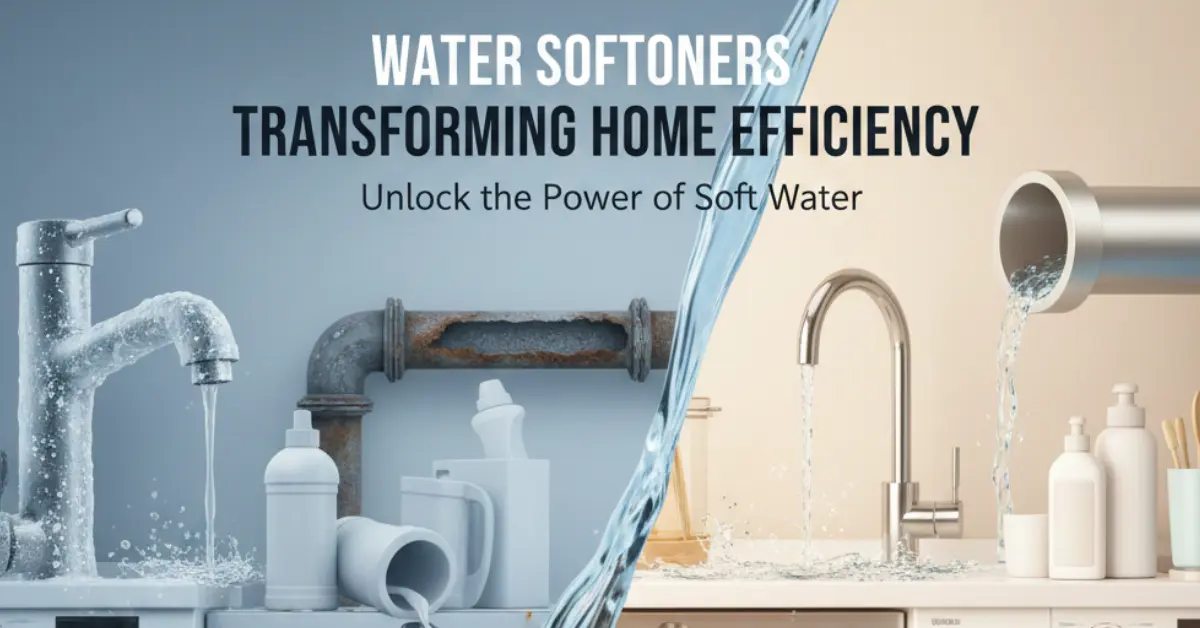
Hard water is water that contains high levels of dissolved minerals, primarily calcium and magnesium. While it is safe to drink, its mineral content can have noticeable effects on household plumbing and appliances. Over time, these minerals can accumulate inside pipes, reducing water flow and increasing the likelihood of clogs. Hard water also affects fixtures, leaving behind unsightly spots on faucets, sinks, and shower doors, and can make soap and detergents less effective, resulting in soap scum and reduced cleaning efficiency. Appliances like water heaters, dishwashers, and washing machines may experience decreased performance and a shorter lifespan due to scale buildup. Understanding the characteristics of hard water allows homeowners to take preventive measures, such as installing water softeners or using specialized cleaning products, to minimize its impact on daily living and household maintenance.
How Water Softeners Work
Water softeners treat hard water through a process known as ion exchange. Hard water passes through a tank containing resin beads charged with sodium or potassium ions, which replace the calcium and magnesium ions, resulting in softer water. This helps prevent scale buildup, protects plumbing, and extends the life of appliances.
With soft water, homes experience fewer maintenance issues and a more consistent water flow, while dishes, laundry, and personal care products are more effective. For those looking to implement this solution, consulting with water softener installation experts in Utah can ensure systems are correctly set up for optimal performance and long-term benefits. Proper installation also maximizes efficiency and reduces the risk of costly repairs down the line.
Enhancing Appliance Efficiency and Longevity
Dishwashers, washing machines, and water heaters are especially vulnerable to damage from hard water. When scale accumulates inside a device, energy transfer becomes less effective, leading to higher power consumption and more frequent breakdowns. Over time, these effects accelerate wear and tear, causing homeowners to repair or replace appliances much sooner than expected. Water softeners protect these essential investments by removing minerals before they reach your appliances, helping to extend their lifespan. As a result, dishwashers stay cleaner, clothes washers operate more efficiently, and water heaters retain their heating capacity. Regular use of softened water can significantly prolong the life of appliances and reduce maintenance needs throughout the home.
Reducing Energy Consumption
Scale doesn’t just hinder necessary water flow; it also acts as insulation, making it harder for devices like water heaters to function correctly. With softened water, this insulating effect is eliminated, which can improve water heater efficiency by up to 30%. These significant savings are reflected in monthly energy bills, allowing families to keep more money in their pockets while enjoying consistent hot water availability.
As national efforts to reduce residential energy consumption continue, water softening is a practical step any homeowner can take. Several states and cities now offer rebates and incentives for upgrading to efficient water softening systems, adding to the direct financial rewards available.
Saving on Cleaning Products
Hard water disrupts the lathering ability of soaps and detergents, leading residents to use much more cleaning product than necessary to achieve the desired result. Soft water reverses this issue, enhancing the cleaning power of detergents and allowing families to use up to 75% less soap. This not only brings the obvious benefit of cost savings but also helps to reduce the volume of chemicals entering wastewater systems, benefiting the environment and the community at large.
The economic advantages of switching to soft water are well established, with many homeowners reporting easier and faster cleaning, as well as fewer purchases of cleaning products over time.
Personal Benefits: Healthier Skin and Hair
Beyond the household and financial rewards, soft water positively impacts day-to-day comfort. Hard water residues can be harsh on skin and hair, leaving both dry, irritated, or dull following showers. Softened water, meanwhile, rinses away cleanly, preserving skin’s moisture and making hair shinier and more manageable. These health and beauty benefits are significant for individuals with sensitive skin or specific hair care requirements.
Dermatologists have noted that residents in areas with softer water often report fewer skin issues attributed to mineral buildup, making the case for water softening as part of a holistic home health strategy. For more on skin care and water, readers can explore advice on how hard water affects skin and hair from major health publications.
Environmental Considerations
Although water softeners present many household benefits, they can have an environmental impact if not chosen and managed responsibly. Traditional systems discharge some sodium and chloride into wastewater systems, which can affect local ecosystems. It’s essential to choose high-efficiency or salt-free models that utilize less salt and water during regeneration cycles. These options minimize environmental impact while delivering the same household enhancements.
Communities and regulatory agencies, including the EPA, recognize these challenges and provide guidance to ensure softener usage remains sustainable.
Conclusion
Installing a water softener is a proven way to protect your home, reduce operating costs, and improve your quality of life. From boosting appliance longevity and efficiency to enhancing comfort with softer skin and hair, the transformation a water softener brings to household routines is significant. When selecting a system, prioritize both efficiency and environmental performance, and in doing so, you’ll enjoy benefits that extend to your wallet, your health, and the planet.
