
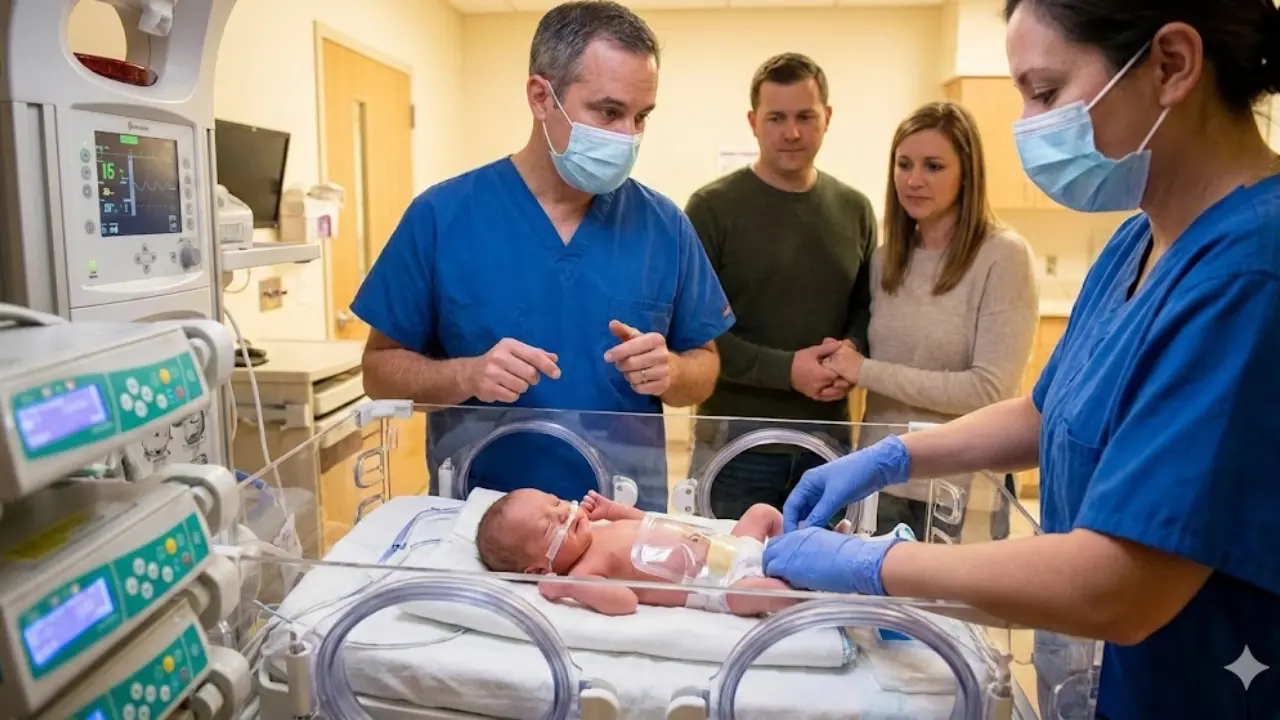
Gastroshiza, medically known as gastroschisis, is a rare but serious birth defect where a baby is born with a hole in the abdominal wall, causing the intestines or other organs to protrude outside the body. This condition, which requires immediate medical attention, can be frightening for parents, but understanding its causes, symptoms, treatment options, and long-term care can make a significant difference in managing it effectively. In this article, we will provide a comprehensive, easy-to-understand guide on gastroshiza, offering valuable insights for parents, caregivers, and anyone seeking reliable information on this condition.
What is Gastroshiza (Gastroschisis)?
“Gastroshiza” refers to a rare birth defect medically known as gastroschisis. In this condition, a baby is born with a hole in their abdominal (belly) wall usually just to the right of the belly button. Through this opening, the baby’s intestines (and sometimes other abdominal organs such as stomach or liver) protrude outside the body.
Unlike some similar conditions, in gastroschisis there is no protective membrane covering those organs they are exposed directly to amniotic fluid in the womb, which can irritate, swell, or damage them over time.
Because of this, “gastroshiza” (gastroschisis) is considered a serious congenital (present at birth) defect that requires careful management and prompt medical intervention.
Why Does It Happen? Causes & Risk Factors
The exact reason why “gastroshiza” occurs is not fully known. It seems to result when, during early fetal development, the abdominal wall does not form correctly. Specifically, the lateral folds of the embryo’s body wall fail to fuse properly, leaving an opening through which intestines may escape.
However, researchers have identified some factors that appear to increase the risk:
- Younger maternal age (especially mothers under 20) seems associated with higher risk.
- Use of alcohol, tobacco, or harmful substances during early pregnancy may increase risk.
- Poor maternal nutrition, exposure to certain chemicals, or other environmental factors though none guarantee occurrence.
It’s important to understand that having a risk factor does not mean gastroschisis will occur many babies are born healthy despite some risk factors; likewise, gastroschisis can appear even without any obvious risk factors.
How Common Is Gastroshiza?
Gastroschisis is considered rare. Estimates suggest that:
- In many populations, about 1 in every 2,000–3,000 live births is affected.
- Some sources report around 4 to 5 babies out of every 10,000 births may have gastroschisis.
Thus, while rare, “gastroshiza” is still a recognized and serious birth defect that healthcare providers monitor for, especially in prenatal care.
Symptoms & How It’s Diagnosed
What Does “Gastroshiza” Look Like?
Because the abdominal wall fails to close properly, babies born with gastroschisis visibly show intestines (or other organs) outside the belly often near the belly button. The exposed intestines may look swollen or discolored, because being bathed in amniotic fluid and exposed outside the body can irritate them.
At birth, this defect is usually unmistakable.
Prenatal Diagnosis
Often, gastroschisis is detected before birth during a routine prenatal ultrasound typically around 18–20 weeks. The ultrasound may show intestinal loops floating in the amniotic fluid outside the abdomen.
In some cases, elevated levels of a protein called alpha-fetoprotein (AFP) in maternal blood screening can indicate a risk, prompting further imaging (ultrasound or MRI).
If not diagnosed prenatally, the defect will be obvious at birth.
Treatment of Gastroshiza: What Happens After Birth
Because “gastroshiza” involves exposed intestines, immediate medical care is essential. Treatment always involves surgery soon after birth.
Two Main Surgical Approaches
- Primary repair: If the opening is small and the baby stable, surgeons return the intestines to the abdomen and close the hole in the abdominal wall in one surgery.
- Staged repair: If closing immediately would cause too much pressure for example because the abdomen is too small surgeons use a sterile bag (called a “silo”) to cover and protect the exposed intestines. Over days to a week or more, as swelling reduces, the intestines are gradually moved back; then the abdominal wall is closed.
During and after surgery, newborns often require special care:
- Temperature control, because exposed intestines can lead to heat loss.
- Intravenous (IV) fluids and nutrition until intestines recover enough for feeding.
- Breathing support (ventilator), if needed.
- Antibiotics to prevent infections.
With prompt, proper treatment in a specialized neonatal surgical center, many babies go on to live healthy lives.
Possible Complications & Long-Term Outlook
While many cases of “gastroshiza” (gastroschisis) are successfully treated, there can be complications, especially in more severe cases. Some risks and long‑term concerns:
- Intestinal damage or loss: Because intestines have been exposed to amniotic fluid or compressed, parts may be damaged, twisted, or even die leading to removal (resection) and possibly short bowel syndrome.
- Feeding and digestion problems: Some children may face ongoing difficulties absorbing nutrients or digesting food properly.
- Infections, breathing issues, or complications after surgery: As with any major surgery in a newborn, there is risk of infection or respiratory problems.
- Longer hospital stay and nutritional support: Many babies need weeks in a neonatal intensive care unit (NICU) before they can feed normally and be discharged.
Despite these challenges, many children treated for gastroschisis grow up healthy, with appropriate follow-up and care.
Can Gastroshiza Be Prevented? What Expecting Mothers Should Know
Because the exact cause of gastroschisis remains unknown, there is no guaranteed way to prevent it. However, certain steps can help reduce risk and improve outcomes:
- Avoid alcohol and tobacco use during pregnancy.
- Maintain good nutrition: a balanced, healthy diet with adequate vitamins and nutrients.
- Begin prenatal care early, especially if you are a younger mother regular check-ups, ultrasounds, and prenatal screenings can help detect anomalies early.
- If gastroschisis is detected prenatally, choose delivery at a hospital with a neonatal surgical team and neonatal intensive care unit (NICU).
While these steps don’t eliminate risk, they improve the chance of safe delivery and better outcomes if gastroschisis occurs.
What Parents & Caregivers Should Know: Care and Recovery
If a baby is born with gastroschisis, these are key guidelines for parents / caregivers:
- Ensure the baby is delivered in a hospital equipped to manage gastroschisis (neonatal surgeons + NICU).
- Expect some time in hospital often several weeks before feeding begins and discharge is possible.
- Be ready for possible long-term follow-up: feeding support, monitoring growth, digestive health, and doctor visits.
- Understand that many babies, after successful treatment, grow up healthy and lead normal lives.
- Seek support: parents may find it comforting to talk with healthcare providers, pediatric surgeons, or support groups to understand recovery and long-term outlook.
FAQs Common Questions & Clear Answers about Gastroshiza
Q1. Is gastroshiza the same as omphalocele?
A: No. Though both are abdominal wall defects, in omphalocele the organs protrude into the umbilical cord area and are covered by a protective sac (membrane). In gastroschisis (gastroshiza), the intestines protrude beside the belly button and remain uncovered, directly exposed to amniotic fluid.
Q2. Can gastroschisis be detected before birth?
A: Yes most cases are diagnosed during routine prenatal ultrasound, typically around 18–20 weeks. High maternal AFP (alpha-fetoprotein) in blood tests may also raise suspicion, prompting further imaging.
Q3. Does every baby with gastroschisis need surgery?
A: Yes surgery is essential soon after birth to place the intestines back inside the abdomen and close the abdominal wall defect. Without it, the exposed organs remain vulnerable.
Q4. Will my child have a normal life after successful treatment?
A: Many children grow up healthy and develop normally after successful repair of gastroschisis. However, long-term follow-up may be needed because some may face digestive, nutritional, or bowel‑related issues.
Q5. What increases the risk of gastroschisis?
A: Risk factors can include young maternal age (especially under 20), use of tobacco, alcohol or harmful substances during pregnancy, poor nutrition, and possibly environmental exposures. But these factors do not guarantee gastroschisis will occur.
Q6. Can we prevent gastroschisis by changing mother’s behavior?
A: There’s no guaranteed prevention because the exact cause is unknown. But maintaining good prenatal health avoiding smoking/alcohol, eating well, seeking prenatal care may reduce risk and increase chances of a healthy outcome.
Q7. What kind of hospital should a baby with gastroschisis be born in?
A: Ideally in a hospital with experienced neonatal surgeons and a Neonatal Intensive Care Unit (NICU), so proper surgery and post‑operative care can be provided immediately.
Expert Guidance & Final Thoughts
If you are expecting a baby or know someone who has received a diagnosis of “gastroshiza” (gastroschisis), these steps can help ensure the best outcome:
- Choose the right hospital and medical team: A center with neonatal surgeons, neonatal intensive care, and experience handling gastroschisis.
- Plan for delivery and surgery: Work with your obstetrician to plan safe delivery and immediate surgical care.
- Focus on newborn care and monitoring: Be prepared for NICU stay, nutritional support, and careful monitoring until feeding and digestion are stable.
- Commit to long‑term follow-up: Even after successful treatment, monitor for digestive health, growth, and possible complications.
- Seek support and information: Talk to pediatric surgeons, neonatologists, and support groups to learn about what to expect, recovery, and long‑term care.
Remember, while “gastroshiza” (gastroschisis) is rare and serious, with modern medical care, many affected babies go on to live healthy, normal lives. Early detection, timely surgery, and good neonatal care make a big difference.
