
Key Takeaways
- Industrial pumps play a vital role in facilitating fluid movement in manufacturing processes.
- Advancements such as IoT integration and AI-driven maintenance have enhanced pump efficiency and reliability.
- Energy-efficient designs and materials play a crucial role in sustainable manufacturing practices.
Industrial pumps are the foundation of manufacturing operations, silently powering and maintaining the seamless movement of fluids that are vital to virtually every sector of industry. Without their reliable function, even the most sophisticated manufacturing lines would grind to a halt. Today, with continual improvements and innovative integration, these technological workhorses have a profound impact on efficiency, cost savings, and environmental responsibility. For manufacturers seeking robust pump solutions and expertise, Cbeuptime.com offers tailored options supporting a range of industrial needs. As the industry faces new challenges—rising costs, environmental mandates, and demand for tighter quality control—the role of pumps has become even more significant. Intelligent pump systems now enable manufacturers to achieve once-unimaginable levels of precision and dependability. The rapid pace of innovation in pump technology is a central factor in modern manufacturing’s ongoing transformation, ushering in greater adaptability, resiliency, and reduced waste throughout production chains.
The Role of Industrial Pumps in Manufacturing
Industrial pumps serve as the circulatory system of manufacturing facilities. They transport liquids, slurries, and gases that are fundamental to processes in industries such as food and beverage production, pharmaceuticals, chemical processing, mining, and wastewater treatment. Modern production depends not only on their uninterrupted operation but also on the precision with which they deliver fluids. Many sectors rely on pumps for dosing, mixing, cooling, and maintaining strict hygiene standards. Any malfunction can lead to costly downtime or a compromise in product quality. As manufacturing activities have scaled up globally, so too do pumps need to be capable of meeting exacting throughput and safety standards. The integration of advanced design and monitoring features into these systems directly influences competitive performance—efficient pumps enable more continuous production runs and more flexible, automated manufacturing environments.
Technological Advancements in Pump Design
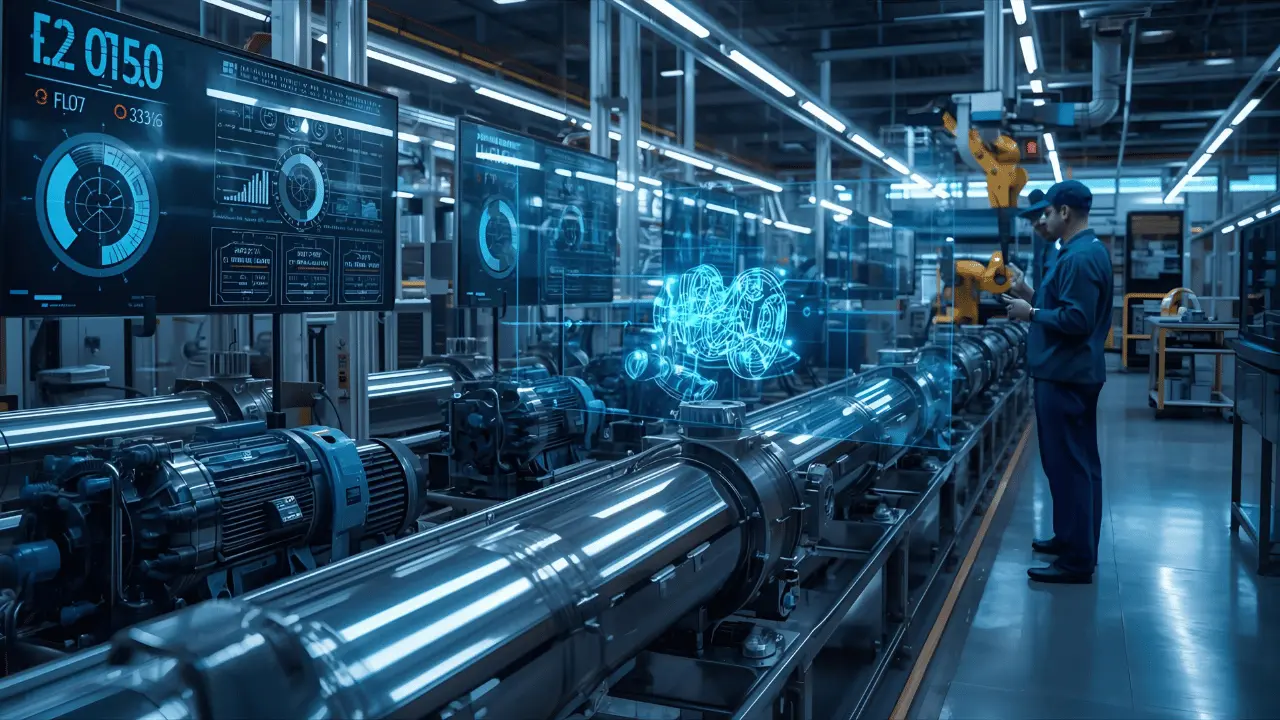
Multiple leaps in efficiency and intelligence have marked the evolution of pump technology. IoT-enabled pumps grant operators unprecedented access to real-time data, including pressure, flow rates, and mechanical wear. This connectivity ensures that potential issues are flagged and addressed before they escalate into major failures, helping companies avert unexpected shutdowns and minimize emergency repairs. Digital twin technology—a sophisticated simulation and monitoring tool—allows engineers to develop virtual models of physical pumps and twin their exact operating conditions. Adjustments can be made within this virtual landscape before implementation, saving time and costs linked to prototyping. Each of these innovations brings manufacturers closer to the ideal of “lights out” production, where autonomous systems oversee and optimize their own performance.
Energy Efficiency and Sustainability
With industrial pumps accounting for a significant slice of global electrical consumption, manufacturers are investing in solutions that reduce energy demands without sacrificing performance. Variable Frequency Drives (VFDs) have become an industry standard because they adjust a pump’s motor speed to match process needs precisely, often resulting in double-digit percentage reductions in energy use. Modern pumps are also constructed from advanced, long-lasting materials, such as corrosion-resistant alloys or biocompatible plastics, which not only extend operational life but also minimize maintenance, repair, and disposal costs. These approaches deliver on both environmental and financial imperatives, positioning manufacturers to meet stricter regulatory requirements and growing sustainability expectations from stakeholders and customers alike. Continued improvements in material science will only accelerate the trend of pumps designed for durability and a minimal ecological footprint.
Predictive Maintenance and Reliability
A significant leap forward in pump reliability is achieved through AI-powered predictive maintenance. By analyzing real-time sensor data on vibration, temperature, and pressure, AI models can identify issues like bearing wear or seal degradation before they cause problems. Automated alerts and suggested interventions minimize unplanned downtime, thereby reducing both the risk and the cost impact of unexpected failures. This predictive framework provides operators with a roadmap for prioritizing maintenance efforts, ensuring that the highest-value pumps are always performing optimally. This shift from reactive to predictive maintenance also supports lean manufacturing philosophies, where downtime is minimized, and plant resources are deployed as efficiently as possible. Reliability has become a core differentiator in manufacturing, and pump systems with advanced monitoring grant manufacturers a clear operational edge.
Future Trends in Industrial Pump Technology
Tomorrow’s industrial pumps will be more intelligent, more connected, and increasingly customizable. The integration of AI will enable adaptive control algorithms, self-learning systems, and autonomous troubleshooting, ensuring consistent performance under changing process demands. Additive manufacturing (3D printing) is opening new vistas, making it easier and more cost-effective to engineer custom components, prototypes, and spare parts on demand. As factories become more digitized, pumps will form part of an intelligent mesh of production equipment instantly responsive to shifts in supply, demand, or raw materials. This will lead to higher throughput, more flexible production schedules, and greater resilience to disruption—a necessity for competitiveness in the years ahead.
Conclusion
The ongoing evolution of industrial pump technology is fundamental to the advancement of modern manufacturing. Pumps that are smarter, more energy-efficient, and seamlessly integrated into digital controls offer manufacturers the opportunity to streamline costs, reduce environmental impact, and maintain superior productivity. By harnessing these ever-improving innovations, industry leaders can not only keep pace but set new standards for operational excellence and sustainable growth.
Also Read: Is Escapamento RD the Real Secret Behind Better Motorcycle Power and Sound?
